


>Chiropractor Email Data List
How to Evaluate B2B Data Vendors for Accuracy and Compliance
Chiropractor email data is a verified B2B contact database containing licensed chiropractic professionals’ names, clinic details, email addresses, phone numbers, and practice specialties. Marketers use these lists to reach decision-makers directly—most chiropractors own their practices and control purchasing.
Imagine having real-time access to a verified database of licensed chiropractors—each contact equipped with accurate email addresses, specialties, and clinic details. Your message reaches the right professional at exactly the right time, opening the door to meaningful engagement.
This guide covers what a quality chiropractor database includes, how to evaluate providers, which segments to target, and how to integrate verified contacts into your outreach workflows.
A chiropractor email data list is a verified B2B contact database that marketers use to reach licensed chiropractic professionals. You’ll typically find names, clinic names, verified email addresses, phone numbers, practice locations, and specialties—all the contact details that sales and marketing teams rely on for targeted healthcare outreach.
Unlike consumer email lists, a chiropractor database focuses on professional contact information. The primary use cases include B2B lead generation, medical supply sales, SaaS marketing, and healthcare recruiting. Most chiropractors own their practices, which means you’re often reaching the decision-maker directly.
Chiropractors specialize in different patient populations and treatment approaches. Knowing the segments helps you match your product to the right audience.
Nutrition-focused chiropractors integrate nutritional counseling with chiropractic care. Supplement brands, wellness coaching platforms, and holistic health products find receptive audiences here.
The link between data accuracy and outreach performance is straightforward. Verified emails reach inboxes instead of bouncing, which protects your sender reputation and increases response rates.
Here’s what verified data delivers:
Outdated or unverified data creates problems beyond missed connections. High bounce rates trigger spam filters, damage your sender reputation, and reduce deliverability for future campaigns—even to valid contacts.
The downstream effects add up quickly:
Purchasing a one-time list export from data vendors takes less effort upfront. However, static lists decay quickly as contacts change jobs or update information—often becoming significantly outdated within a year.
Modern data platforms verify and update records regularly, integrate with CRMs, and offer filtering by specialty, location, and practice attributes. Platforms like ReachStream refresh their database every 45 days through a multi-step verification process, ensuring 95% data accuracy. This continuous update cycle is crucial for maintaining high deliverability and effective outreach
| Method | Cost | Time Investment | Data Freshness | Verification |
|---|---|---|---|---|
|
Manual research |
Free |
High |
Varies |
Self-verified |
|
Static list purchase |
Medium-High |
Low |
Decays quickly |
Provider-
dependent |
|
Web scraping |
Low-Medium |
Medium |
Varies |
None |
|
Refreshed data
platform |
Subscription |
Low |
Continuously
updated |
Multi-step
verified |
Segmentation means dividing a larger list into smaller groups based on shared characteristics. Segmented campaigns consistently outperform generic blasts in open rates, click-through rates, and conversions.
Importing verified chiropractor data into existing sales and marketing systems follows a few common paths:
ReachStream provides continuously refreshed chiropractor email data through its List Builder, Chrome Extension, and Data Enrichment tools. The platform verifies contacts through a 7-step process and refreshes records every 3 months, ensuring 90%+ data accuracy. Teams can filter by specialty, location, practice size, and other attributes to build targeted lists. CRM integration and API access enable seamless workflow connections without manual data entry.


Author

Sales & Lead Generation Expert skilled in B2B Marketing, Prospecting, and Demand Generation with a Business Administration degree from Al-Ameen Institute of Management Studies.
Access 200M+ verified business emails and grow your sales pipeline effortlessly.
Don't forget to share this post!















Check out our other blogs!
Email Verification Tools: 15 Ways to Check Business Emails
B2B Data Providers: How to Compare Contact Data Platforms
CRM Data Enrichment: How to Improve Incomplete Contact Records
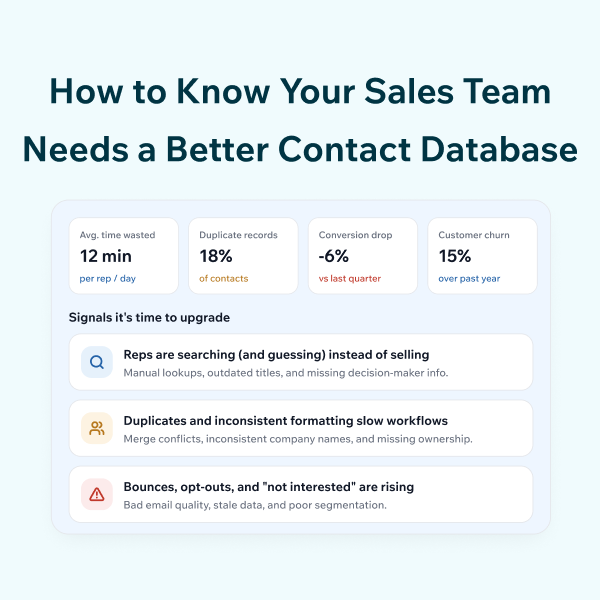
How to Know Your Sales Team Needs a Better Contact Database