

How to Evaluate B2B Data Vendors for Accuracy and Compliance
In today’s hyper-competitive digital economy, B2B data platforms are no longer optional—they are the backbone of modern sales and revenue operations. For mid-market sales teams, the right platform can mean the difference between a predictable pipeline and inconsistent growth.
Sales teams today rely heavily on sales intelligence, B2B contact and company data, and lead enrichment tools to identify, engage, and convert high-value prospects. However, with multiple platforms offering overlapping capabilities, choosing the right solution becomes a strategic decision.
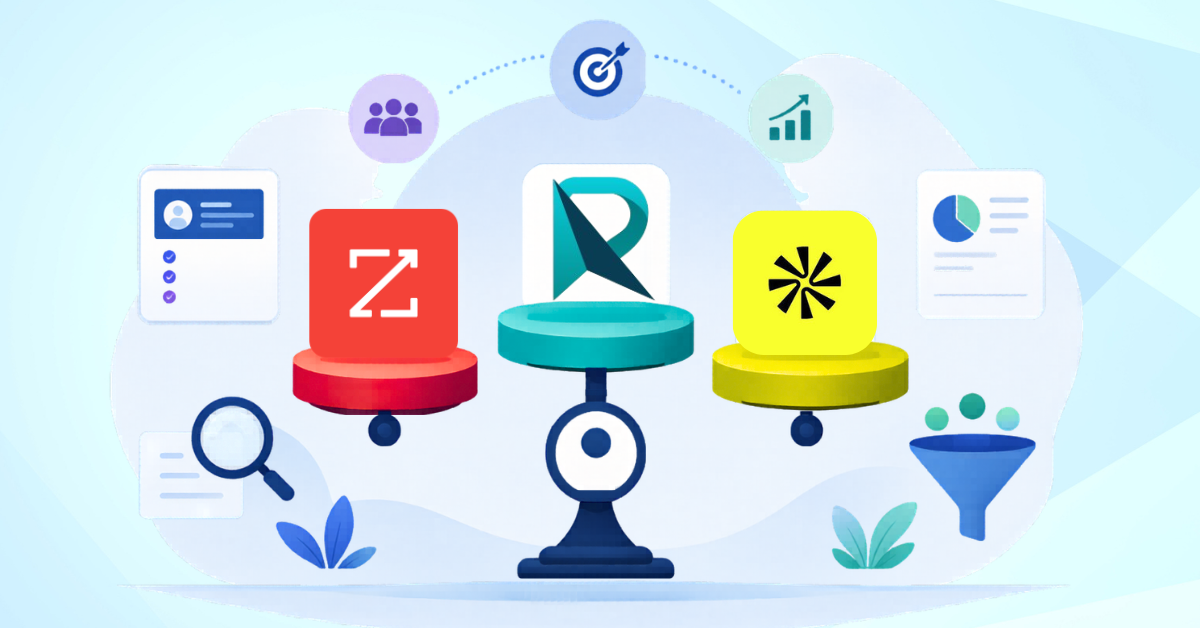
Three platforms dominate this conversation: ReachStream, ZoomInfo, and Apollo.io.
Each platform brings a different approach to data quality, usability, workflow integration, and pricing. But which one truly delivers the best cost-to-value ratio for mid-market teams?
This comparison will help you make a knowledgeable decision.
Mid-market companies operate in a unique environment. Unlike startups, they need scalability. Unlike enterprises, they must remain cost-efficient.
This creates a critical need for tools that offer:
Choosing the wrong platform often leads to:
On the other hand, the right prospecting tools can:
That’s why evaluating B2B data platforms through a mid-market lens is essential—not all tools are built with this segment in mind.
ReachStream is a modern B2B contact and company data platform designed specifically for usability and efficiency. It focuses on delivering verified, ready-to-use data that helps teams start prospecting immediately.
Unlike complex enterprise tools, ReachStream prioritizes:
It’s particularly well-suited for teams that want to reduce time spent on data cleaning and increase time spent selling.
ZoomInfo is one of the most recognized names in sales intelligence. Known for its massive database and advanced features, it is widely adopted by enterprise organizations.
Key capabilities include:
However, its complexity and pricing structure often make it less accessible for mid-market teams.
Apollo.io combines B2B data with built-in engagement tools, positioning itself as a complete prospecting tool.
Its offering includes:
Apollo is especially popular among startups and lean teams looking for an affordable, all-in-one solution.
Data coverage is often the first factor teams evaluate—but more data doesn’t always mean better results.
ZoomInfo offers one of the largest datasets in the market, with hundreds of millions of contacts.
Strengths:
Limitations:
Best for organizations running large-scale ABM campaigns
Apollo provides broad global coverage, making it ideal for teams that rely on high-volume outreach.
Strengths:
Limitations:
Best for teams focused on outbound volume
ReachStream takes a different approach by focusing on targeted and relevant data.
Strengths:
Instead of overwhelming users with data, it helps them find the right data faster.
Best for mid-market teams that prioritize efficiency and relevance
Data accuracy is arguably the most critical factor when evaluating B2B data platforms.
Even a small drop in accuracy can lead to:
ZoomInfo is known for relatively strong data accuracy and enrichment capabilities.
Strengths:
Limitations:
Apollo offers decent accuracy but often requires additional validation.
Common challenges:
Works best when paired with verification workflows
ReachStream focuses heavily on data verification and enrichment.
Strengths:
This makes it particularly valuable for teams that want to execute campaigns quickly without spending hours validating data.
Ideal for improving lead enrichment efficiency
Even the best data is useless if it doesn’t fit into your workflow.
ZoomInfo offers powerful workflow automation but comes with a steep learning curve.
Challenges:
Best suited for organizations with dedicated RevOps teams
Apollo stands out for combining data and engagement in one platform.
Strengths:
This reduces tool fragmentation and simplifies workflows.
Ideal for lean teams managing both data and outreach
ReachStream is designed for ease of use and speed.
Strengths:
This allows sales teams to:
Perfect for mid-market teams that value simplicity
For mid-market companies, pricing is often the ultimate deciding factor.
ZoomInfo is one of the most expensive B2B data platforms.
ROI is achievable—but only at scale
Apollo offers flexible pricing, including a free plan.
Strong choice for budget-conscious teams
ReachStream strikes a balance between cost and performance.
Delivers value without unnecessary complexity

Choosing between these B2B data platforms ultimately comes down to your team’s priorities.
In 2026, success in sales is no longer about having the largest database—it’s about having the most usable, accurate, and actionable data.
For mid-market sales teams, the ideal platform is one that:
While ZoomInfo and Apollo.io each have their strengths, ReachStream offers the best combination of accuracy, usability, and affordability—making it a compelling choice for growing revenue teams.
The best platform depends on your priorities. Mid-market teams typically benefit from tools that balance data accuracy, usability, and affordability rather than enterprise-level complexity.
ZoomInfo can deliver strong ROI for organizations running large-scale campaigns, but its premium pricing and contract structure may be challenging for mid-market budgets.
Apollo.io offers broad contact coverage, but some teams report needing additional verification workflows to maintain high deliverability and reduce bounce rates.
ReachStream focuses on verified, ready-to-use B2B contact and company data, helping mid-market teams reduce manual cleanup and launch campaigns faster.
Data accuracy varies by use case. Platforms that prioritize verification and enrichment typically help improve email deliverability and campaign performance.
Yes. Most leading B2B data platforms integrate with major CRMs such as Salesforce and HubSpot, enabling seamless data syncing and workflow automation.
Enterprise-focused platforms with intent data and advanced firmographics are generally better suited for large-scale ABM initiatives.
Absolutely. Many platforms offer scalable pricing tiers that allow growing teams to expand usage without switching tools.
Lead enrichment is critical because it improves targeting precision, reduces bounce rates, and enhances personalization in outreach campaigns.
Mid-market companies should focus on data accuracy, ease of use, workflow compatibility, transparent pricing, and measurable ROI.
Marketing professional with a Master’s degree in Marketing, specializing in SEO, content strategy, social media, performance marketing, prospecting, and demand generation.
Access 200M+ verified business emails and grow your sales pipeline effortlessly.
Don't forget to share this post!















Check out our other blogs!
How Many Follow-Ups Should a Cold Email Sequence Have?

How a Medical Device Company Can Reach Hospital Decision-Makers
What Data Fields Should a Healthcare Marketing Database Include?
ReachStream Prospect vs Prospeo: Who Delivers Accurate Data?