Unlimited Data.
Infinite Possibilities.
Looking for B2B data? Download Unlimited data using our Chrome extension at just $79/month.
Top 10 B2B Data Providers Defining Market Success in 2025
Your outbound campaigns are only as good as the data behind them. When contact records are outdated or incomplete, even the best messaging falls flat—emails bounce, calls go nowhere, and pipeline stalls.
B2B data providers solve this problem by aggregating, verifying, and packaging business intelligence so your team can reach the right people without the manual research. This guide breaks down what these vendors actually offer, compares the top 10 providers shaping the market in 2026, and walks through how to evaluate which one fits your team’s workflow and budget.
B2B data providers are companies that aggregate, verify, and sell business intelligence to power sales, marketing, and lead generation. The data they offer typically includes contact information like emails and phone numbers, firmographics like company size and revenue, technographics showing what software a company uses, and intent signals indicating buying interest.
Think of a B2B data provider as a middleman between raw business information scattered across the internet and the clean, organized lists your sales team actually wants to work with. Rather than having your reps spend hours hunting down a prospect’s email address, a data vendor packages that information so it’s ready to use.
The term “data vendor” and “database provider” mean the same thing in practice. You’ll see both used interchangeably when people talk about where to buy B2B contact lists.
When your CRM is full of outdated emails and disconnected phone numbers, every outreach campaign starts at a disadvantage. Your reps waste time chasing contacts who’ve changed jobs, and your bounce rates climb.
A quality B2B contact data provider changes that equation in a few specific ways:
Not all data serves the same purpose. Here’s what’s typically available and when you’d use each type.
Contact data is the foundation: names, verified email addresses, direct dial phone numbers, and LinkedIn profile URLs. Without accurate contact data, outreach doesn’t happen.
Firmographics describe the company itself. Industry classification, employee count, annual revenue, and headquarters location all fall into this category. Firmographic data helps you qualify accounts against your ideal customer profile before reaching out.
Technographics reveal what software and tools a company uses. If you’re selling a CRM integration, knowing which companies already use Salesforce versus HubSpot changes your entire approach.
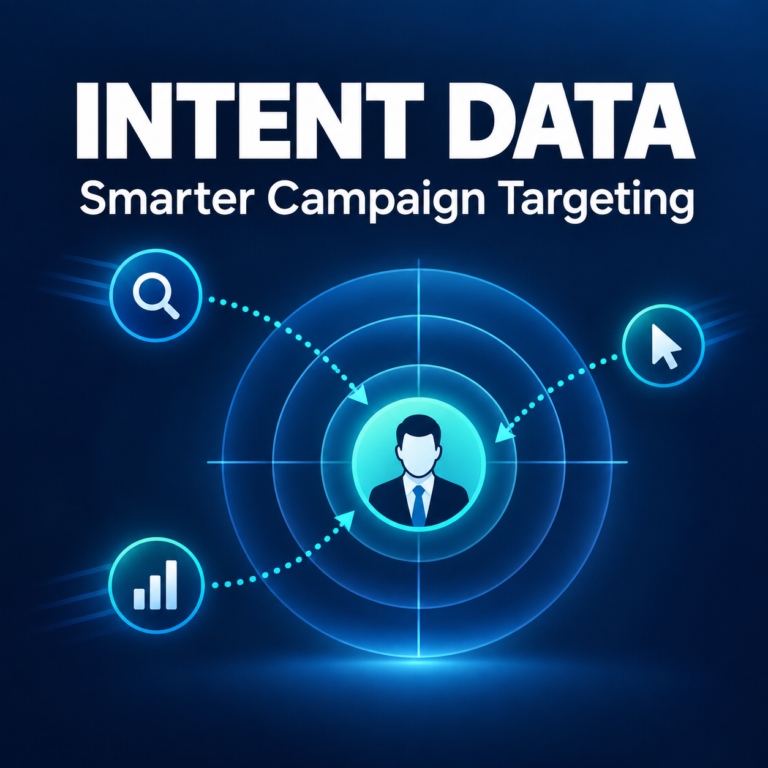
Intent data captures behavioral signals indicating a company is actively researching solutions like yours. Providers track content consumption patterns across B2B websites to identify accounts showing buying interest.
Trigger events include funding rounds, executive hires, office expansions, and mergers. A company that just raised Series B has budget. A new VP of Sales might be evaluating vendors. Timing outreach around trigger events often improves response rates.
The market has dozens of options. Here are ten that consistently appear in buyer shortlists, each with distinct strengths depending on your team size, budget, and use case.
ReachStream is a B2B data platform built for revenue teams across company sizes. The platform combines 200M+ verified contacts with data enrichment, a Chrome extension for LinkedIn prospecting, and API integration for workflow automation. A pay-only-for-verified-emails model and free automatic contact updates every three months set it apart.
ZoomInfo is the enterprise-grade option with one of the largest B2B company databases available. It offers extensive contact records, conversation intelligence, and deep CRM integrations. Best suited for large organizations with complex data requirements.
Apollo combines a massive database with built-in engagement tools in one platform. Email sequences, a dialer, and meeting scheduler come included. Popular with startups and growth-stage companies looking for an all-in-one prospecting solution.
Cognism focuses heavily on GDPR compliance and European market coverage. Phone-verified mobile numbers are a standout feature for teams prioritizing direct dials. Worth considering if your target market includes the UK and EU.
Lusha offers a lightweight browser extension for quick contact lookups. Designed for individual sellers and small teams who want fast access without a complex platform.
Seamless.AI uses artificial intelligence to build prospect lists in real-time. Rather than querying a static database, it searches the web to find and verify contacts on demand.
Sales Navigator isn’t a traditional data provider. It’s a relationship-driven platform integrated directly with the LinkedIn network. Best for social selling approaches where building connections matters more than bulk outreach.
Lead411 combines verified contacts with growth intent data, including trigger events like funding announcements and hiring surges. Useful for teams that want to time outreach around specific business events.
UpLead emphasizes real-time email verification at the point of download. You only pay for contacts that pass verification, which appeals to teams focused on deliverability metrics.
RocketReach excels at finding personal and professional email addresses. Particularly useful for recruiting and executive outreach where you want to reach specific individuals.
Choosing a data vendor isn’t just about database size. Here’s what actually matters when evaluating options.
Ask vendors directly: how do you verify contact data, and what accuracy rate do you guarantee? ESP verification, real-time checks, and human verification each have tradeoffs. A provider claiming 95%+ data accuracy can typically explain their methodology.
Size matters, but so does depth. Some providers have broad coverage but thin data in specific industries or regions. If you’re targeting healthcare IT directors in the Midwest, make sure your vendor actually has those contacts.
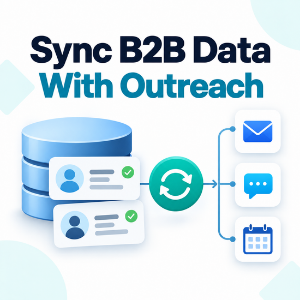
Seamless integration with your existing tools reduces friction. Ask about native integrations with Salesforce, HubSpot, or Outreach versus API-only access. The difference affects how quickly your team can actually use the data.
GDPR, CCPA, CAN-SPAM—these aren’t optional considerations. Verify that your data provider follows privacy laws and can document their data sourcing practices.
Common structures include credit-based, subscription, and pay-per-contact models. Calculate your cost-per-qualified-lead to evaluate true value. A cheaper provider with 70% accuracy often costs more than a premium provider with 95% accuracy once you factor in wasted outreach.
Not every provider delivers what they promise. Here’s what to watch for.
Reputable B2B data providers disclose how they collect data. If a vendor can’t explain their sources, that’s a red flag. Opaque sourcing may indicate compliance risks or questionable quality.
Check G2, Capterra, and TrustRadius reviews before committing. New or unreviewed database companies may lack proven track records. Look for patterns in feedback, not just star ratings.
Data decays fast. People change jobs, companies restructure, and contact information becomes obsolete. Providers without regular refresh cycles deliver contacts that bounce or no longer exist.
Using non-compliant data exposes your organization to legal risk. Reputable B2B data providers prioritize compliance and can prove it with documentation.
Watch for credit expiration, overage charges, and long-term lock-ins. Ask for transparent pricing and flexible terms upfront.
Different teams extract different value from the same data.
Marketing teams use firmographic and technographic data to build targeted ad audiences and ABM campaigns. When you know exactly which accounts to target, your ad spend works harder.
RevOps teams use data enrichment tools to fill gaps in existing CRM records, standardize fields, and maintain database hygiene. Clean data means accurate reporting and better forecasting.
Recruiting teams use B2B contact data to identify and reach passive candidates at target companies. The same data that helps sales find buyers helps recruiters find talent.
Here’s a practical framework for making your decision.
High-quality B2B data is foundational for modern sales and marketing. The right data provider offers accuracy, coverage, compliance, and ease of use—all working together to help your team start more conversations and close more deals.
The difference between a good quarter and a great one often comes down to data quality. When your contacts are verified, your targeting is precise, and your outreach actually reaches inboxes, everything downstream improves.
B2B data providers collect information through a combination of public sources like websites, social media, and SEC filings, along with proprietary partnerships, web scraping, and opt-in user contributions. They then verify it through email validation, phone verification, and sometimes human review.
Reputable providers refresh their databases quarterly or more frequently. Some offer real-time verification at the point of download. Ask specifically about refresh cycles—data that’s updated annually is often already stale.
Most top B2B data providers offer native integrations with popular CRMs like Salesforce and HubSpot, plus API access for custom workflows and automated enrichment.
Teams typically see measurable improvements in outreach response rates and pipeline growth within the first quarter of using a quality B2B contact data provider. The exact timeline depends on your sales cycle length and how quickly you activate the data.

Author
Don't forget to share this post!
Check out our other blogs!

How to Automate Lead Gen with a Free B2B Data API

How to Evaluate Enterprise B2B Lead Gen Platforms

Top Data Enrichment Platforms for ABM in 2026

By submitting this form, you agree to ReachStream’s Privacy Policy and Terms of Service.