




Unlimited Data.
Infinite Possibilities.

Looking for B2B data? Download Unlimited data using our Chrome extension at just $79/month.

What Is a B2B Contact Database and How to Use It for Lead Generation

B2B Contacts

Best Tips on Lead Generation for Technology Companies

Introduction

In today’s fast-paced B2B landscape, businesses need accurate, comprehensive, and reliable contact information to generate lead and drive sales. A B2B contact database serves as a critical tool for marketers, sales teams, and business development professionals looking to reach the right audience effectively.

In this guide, we will explore what a B2B contact database is, its benefits, types, and how to use it for successful lead generation.

What is a B2B Contact Database?

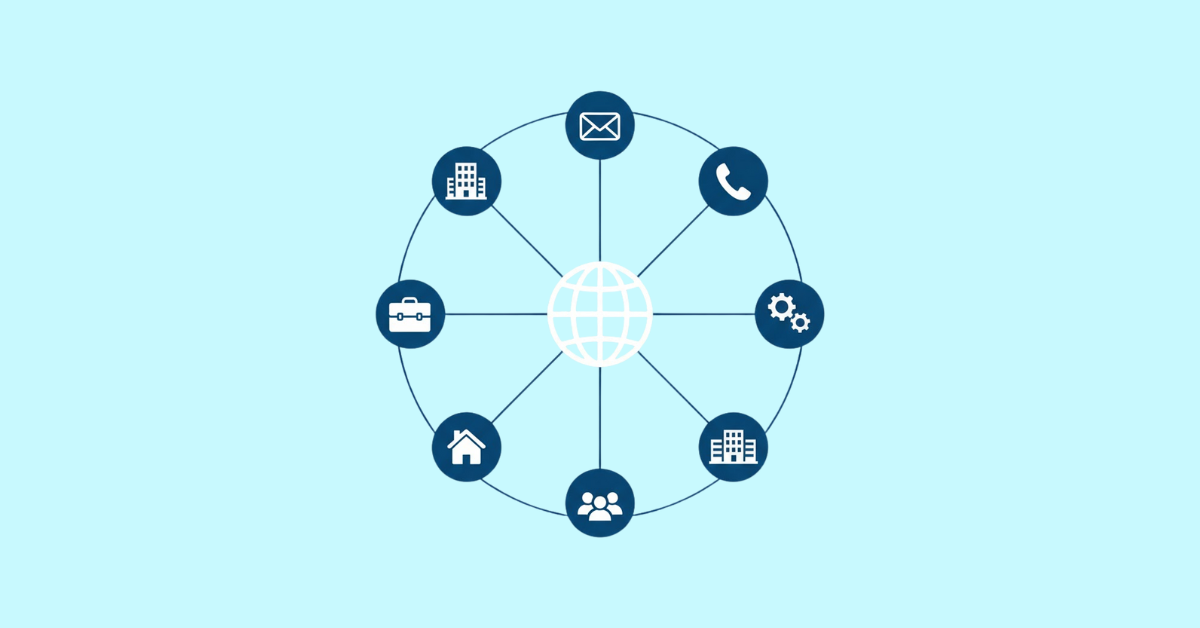
A B2B contact database is a structured collection of information about businesses and key decision-makers within those organizations. This database typically includes company contact information, such as emails, phone numbers, job titles, and addresses, making it easier for sales and marketing teams to find business emails and engage prospects effectively.

Unlike generic directories, a B2B database is tailored for business-to-business interactions, providing insights into company size, industry, location, and revenue, which are critical for targeted outreach.

Why Do Businesses Need a B2B Contact Database?

A reliable B2B contact database helps businesses:

Key Benefits of a B2B Contact Database

Investing in a B2B contact database provides several strategic advantages:

Improved Lead Generation: A B2B leads database equips your sales team with ready-to-use contacts, reducing the time spent on research. This accelerates the lead generation process and improves ROI.​

Enhanced Targeting: With detailed b2b company data, your campaigns can target specific industries, company sizes, and job titles. This precision ensures your message reaches the most relevant prospects.​

Cost-Effective Marketing: By using a verified business contacts database, companies minimize wasted resources on outdated or irrelevant contacts, making campaigns more cost-efficient.​

Competitive Advantage: Access to a best B2B sales leads database allows you to stay ahead of competitors by identifying prospects before they are approached by others.​

Types of B2B Contact Databases

Understanding the types of B2B databases can help you choose the right one for your business:

Purchased Databases

Many companies opt to buy B2B data from reputable database selling companies. Purchased databases are often curated with verified B2B contact information, saving time on data collection.

Subscription-Based Databases

Some providers offer B2B database services on a subscription basis, giving access to an updated b2b marketing database. This ensures your data remains current and compliant.

Access Your Free B2B Leads

Kickstart your lead generation with a FREEmium plan today.

Free Databases

There are also free B2B database options or free business contacts database resources. While cost-effective, these may have limited accuracy or coverage.

How to Use a B2B Contact Database for Lead Generation

Having a good B2B contact database is just the first step. Its real value lies in how you leverage it for lead generation.

1. Segment Your Database

Divide your B2B Data into segments based on:

Segmentation allows you to tailor your outreach, ensuring each message is relevant and increases the likelihood of engagement. It also helps in prioritizing high-value leads for focused campaigns.

2. Personalize Your Outreach

Using a company contact database, craft messages that address the specific needs and pain points of each prospect.
Personalization shows that you understand the prospect’s business, which significantly improves response rates and builds trust with potential clients.

3. Integrate with CRM

Integrate your B2B database with a CRM system to streamline follow-ups, track engagement, and manage leads effectively.
CRM integration ensures that every interaction is logged, enabling your sales and marketing teams to nurture leads efficiently without missing opportunities.

4. Monitor and Analyze Results

Regularly evaluate your B2B sales data to see which segments or campaigns are performing best.
Analyzing metrics such as open rates, click-throughs, and conversions helps refine your outreach strategy and maximize your lead generation ROI.

5. Maintain Compliance

Ensure your corporate contact database complies with regulations like GDPR, CAN-SPAM, or CCPA.
Compliance not only protects your business from legal risks but also enhances your brand reputation, showing prospects that you handle their data responsibly.

Top Features to Look for in a B2B Contact Database Provider

Choosing the best B2B contact database provider is crucial. Look for the following features:

  • Data Accuracy: Verified emails and phone numbers to reduce bounce rates.
  • Comprehensive Profiles: Detailed b2b contact information including job title, department, and location.
  • Regular Updates: Frequent updates ensure your b2b leads database remains current.
  • Integration Options: Ability to integrate with CRM and marketing automation tools.
  • Compliance: Adherence to international data protection laws.

How to Maintain and Update Your B2B Database

Even the best B2B database can lose value over time if not maintained properly:

  • Regular Verification: Periodically verify emails and phone numbers.
  • Remove Duplicates: Keep your business contacts database clean by eliminating duplicates.
  • Add New Leads: Continuously update your B2B marketing database with fresh contacts.
  • Monitor Engagement: Track which contacts are active and remove inactive leads.

Common Challenges and How to Overcome Them

  1. Data Accuracy Issues: Not all b2b leads database free sources are reliable. Always cross-verify information before use.
  2. Compliance Concerns: Ensure your company contacts database aligns with GDPR and CAN-SPAM regulations to avoid penalties.
  3. Integration Difficulties: Select a B2B database that easily integrates with your existing CRM and marketing tools.
  4. Cost Management: Some B2B database services can be expensive. Compare providers based on accuracy, update frequency, and customer support to get the best value.

Conclusion

A B2B contact database is an indispensable tool for businesses aiming to enhance their lead generation strategy. By leveraging accurate B2B company data and integrating it with marketing and sales processes, companies can find business contact database solutions that help them reach decision-makers efficiently, improve conversion rates, and gain a competitive edge. Whether you choose to buy B2B data, subscribe to a provider, or use free resources, maintaining and updating your corporate contact database is key to sustained success.


FAQs

1. What is a B2B contact database?

A B2B contact database is a collection of business contacts and company information used for targeted outreach and lead generation.

Segment your database, personalize outreach, integrate with CRM, monitor results, and maintain compliance.

Yes, there are free B2B database resources, but they may have limited accuracy and coverage.

Accuracy, comprehensiveness, compliance, and affordability are key factors in a good B2B database.

You can buy B2B data from trusted database selling companies and business database providing platforms like ReachStream.

Regular updates, at least quarterly to ensure your B2B leads database remains accurate.

It typically includes names, emails, phone numbers, job titles, company size, industry, and location.

Yes, as long as you comply with GDPR, CAN-SPAM, and other relevant regulations.

A B2B database provides raw contact information, while a CRM manages interactions and tracks customer engagement.

Use your B2B Data in combination with CRM tools, email automation, and lead scoring to streamline your sales workflow.

Table of Contents
Sharanya N K

Author

Access 150M+ verified business emails and grow your sales pipeline effortlessly.

Claim Your 100 Free Export Credits Today!

Power Your Sales with Targeted Data
Sharanya N K
Sharanya N KAuthor
Sharanya N K
Sharanya N KAuthor

Don't forget to share this post!

Check out our other blogs!