How to Evaluate B2B Data Vendors for Accuracy and Compliance
Your email database is one of your most valuable marketing assets, but only if it’s accurate, engaged, and well-maintained. A large contact list may look impressive, but outdated or inactive contacts can reduce deliverability, damage your sender reputation, and lower campaign performance.
Email list hygiene is the ongoing process of maintaining a clean, compliant, and high-quality database. Instead of chasing subscriber growth alone, successful B2B organizations prioritize database health to ensure every campaign reaches the right audience.
What Is Email List Hygiene?
Email list hygiene is the process of regularly cleaning, validating, updating, and organizing your email database to remove invalid, inactive, or unengaged contacts. Maintaining a healthy email list improves deliverability, protects sender reputation, increases engagement, and ensures your marketing efforts reach genuine business prospects.
Why It Matters:
Every B2B database naturally degrades over time. People change jobs, companies merge, email addresses become inactive, and subscriber interests evolve. Without routine maintenance, your campaigns become less effective regardless of how good your content is.
Think of your email database as a customer relationship asset rather than a contact repository. The quality of your data directly influences campaign performance.
Why Email List Hygiene Is Critical for B2B Marketing
A clean email database helps B2B marketers improve inbox placement, increase engagement, reduce bounce rates, and protect domain reputation. More importantly, it enables marketing and sales teams to work with accurate customer data, leading to better targeting and stronger business relationships.
Benefits of a Healthy Database
Higher email deliverability
Better open and click-through rates
Reduced bounce rates
Lower spam complaint rates
More accurate campaign reporting
Improved CRM data quality
Better customer experience
Stronger return on investment
Mini Case Study
A B2B technology company noticed declining campaign performance despite publishing valuable content. After auditing its database, the team discovered thousands of inactive and outdated contacts. By validating email addresses, removing inactive subscribers, and re-segmenting the remaining audience, engagement became more consistent, and the sales team received higher-quality leads.
Maintaining a healthy database isn’t a one-time project. It should become a repeatable operational process.
Following this framework helps keep your database healthy while supporting long-term marketing performance.
Common Causes of Database Decay
Email databases naturally decline as people change jobs, businesses close, roles evolve, and subscriber interests shift. Without ongoing maintenance, these changes lead to inaccurate records, reduced engagement, higher bounce rates, and declining deliverability.
Common Reasons
Employees leave organizations.
Companies change domains.
Duplicate records accumulate.
Temporary email addresses expire.
Contacts stop engaging.
CRM records become outdated.
Manual data entry introduces errors.
Understanding these causes helps marketing teams build proactive maintenance processes instead of reacting after campaign performance declines.
How to Maintain a Healthy Email Database
Step 1: Validate New Email Addresses
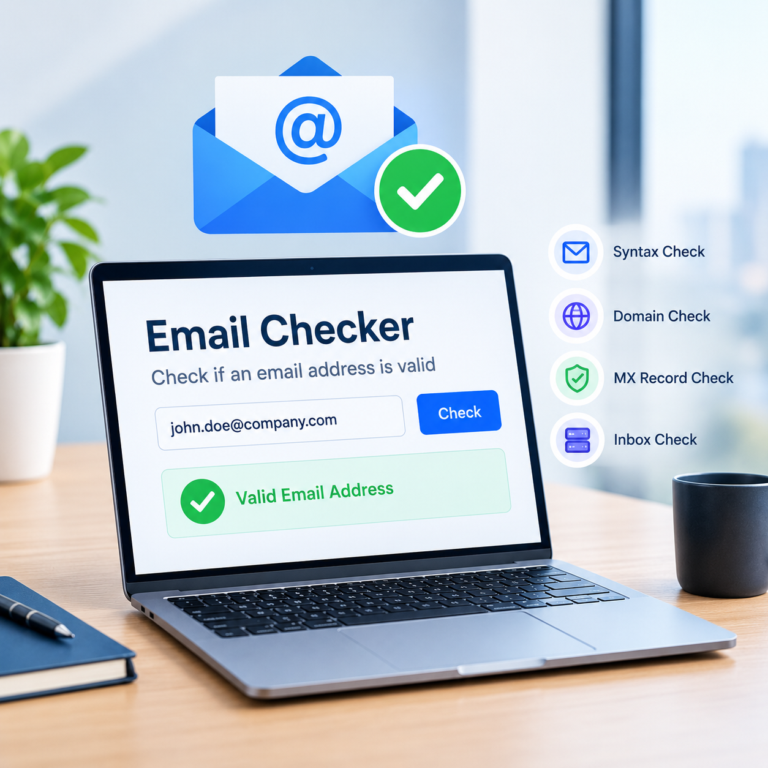
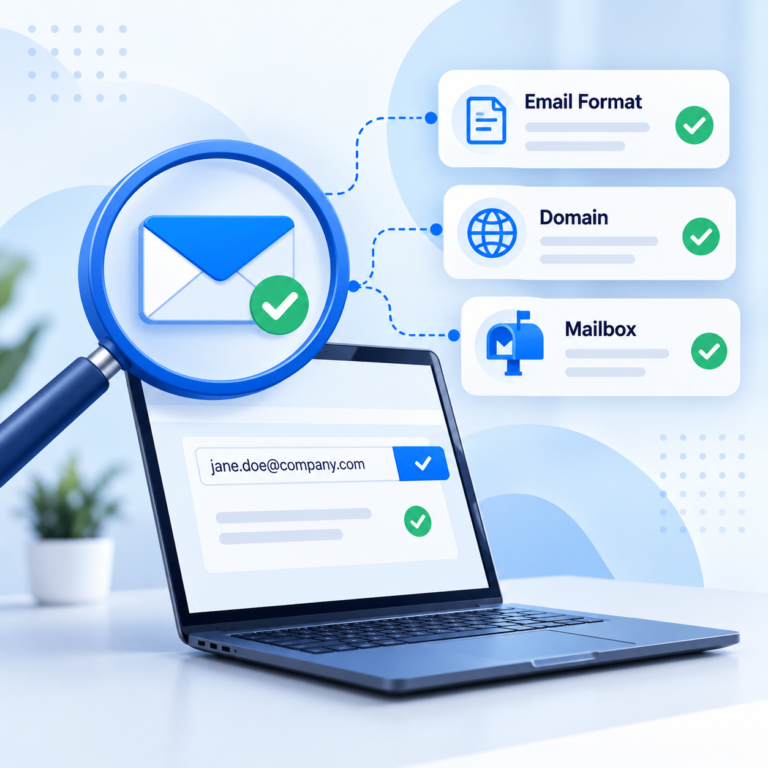
Use email validation before importing contacts into your CRM or marketing platform. Validation identifies invalid formats, inactive domains, and risky addresses before they affect campaign performance.
Step 2: Remove Duplicate Contacts
Duplicate records create reporting inaccuracies and may result in subscribers receiving the same email multiple times.
Schedule regular CRM audits to merge duplicate contacts.
Step 3: Monitor Engagement
Track key engagement metrics, including:
Opens
Clicks
Replies
Website visits
Form submissions
Subscribers who haven’t engaged for several months may require a re-engagement campaign before removal.
Step 4: Segment Your Audience
Instead of maintaining one large database, organize contacts by:
Industry
Company size
Job function
Customer lifecycle stage
Product interest
Engagement level
Relevant messaging improves both customer experience and sender reputation.
Step 5: Remove Inactive Contacts
Not every inactive subscriber should remain on your list indefinitely.
If contacts remain inactive after multiple re-engagement attempts, suppress or remove them to maintain overall database health.
Decision Matrix: Delete, Suppress, or Re-engage?
This approach helps marketers make consistent decisions based on data rather than assumptions.
Common Email List Hygiene Mistakes
Many organizations unintentionally reduce campaign performance by following outdated practices.
Avoid these common mistakes:
Buying email lists
Ignoring email validation
Never removing inactive contacts
Sending identical emails to every subscriber
Focusing only on database size
Failing to update CRM records
Skipping regular database audits
Expert Insight
A smaller, engaged database almost always outperforms a much larger list filled with inactive or inaccurate contacts. Quality is a stronger predictor of long-term email marketing success than subscriber count.
Email List Hygiene Best Practices
Use this checklist to keep your database healthy throughout the year.
Database Maintenance Checklist
Collect contacts through permission-based methods.
Validate new email addresses before import.
Monitor bounce rates regularly.
Remove duplicate records.
Segment audiences using meaningful criteria.
Run periodic re-engagement campaigns.
Remove persistently inactive subscribers.
Synchronize CRM and marketing platform data.
Review database health every quarter.
Consistency is more important than occasional large cleanup projects.
Key Takeaways
Email list hygiene is not simply about deleting old contacts, it’s about maintaining a database that supports meaningful customer relationships and consistent marketing performance. By validating new contacts, monitoring engagement, segmenting audiences, and regularly removing inactive records, businesses can improve deliverability, strengthen sender reputation, and maximize the return on every email campaign.
A healthy database forms the foundation of every successful B2B email marketing program. Treat database maintenance as an ongoing operational process rather than a one-time cleanup, and your campaigns will continue to benefit from higher engagement, more accurate reporting, and stronger long-term business results.
Review database health continuously and perform a comprehensive cleanup at least once every quarter. High-volume senders may benefit from monthly reviews.
2. Does deleting inactive subscribers hurt list growth?
No. Removing inactive contacts often improves engagement rates, deliverability, and reporting accuracy because your campaigns reach a more interested audience.
3. What's the difference between email validation and email list hygiene?
Email validation verifies whether an email address is deliverable, while email list hygiene is the broader process of maintaining the overall quality, engagement, and accuracy of your database.
4. Should I buy a B2B email list?
Purchased lists often contain outdated or non-consenting contacts, increasing bounce rates, spam complaints, and compliance risks. Building a permission-based database is a more sustainable strategy.
Manohar Devdiga
Marketing professional with a Master’s degree in Marketing, specializing in SEO, content strategy, social media, performance marketing, prospecting, and demand generation.
Share
Table of Contents
Access 200M+ verified business emails and grow your sales pipeline effortlessly.