




Unlimited Data.
Infinite Possibilities.

Looking for B2B data? Download Unlimited data using our Chrome extension at just $79/month.

Legal Guidelines to Follow Before You Build or Buy Email Lists

Guidelines to Follow Before You Build or Buy Email Lists

Best Tips on Lead Generation for Technology Companies

Email remains a dependable channel for reaching prospects, promoting offerings, and building long-term business relationships. As companies scale outreach, many face a critical decision: should they focus on building email lists organically, Buy Email Lists from third parties, or rely on an email list building platform to support growth.

Before you build or buy email lists, legal compliance, data quality, and sender reputation must guide every decision. This guide explains the rules, risks, and responsibilities businesses should understand before creating or purchasing email databases for marketing campaigns.

What It Means to Build or Buy Email Lists

Building an email list involves collecting contact information directly through opt-in forms, content downloads, events, outbound prospecting, partnerships, or sales interactions. This approach gives businesses greater visibility into how contacts were acquired and why they expect communication.

Buying email lists refers to purchasing a pre-compiled email database from email list providers. These lists may include business email lists, consumer mailing lists, or targeted email lists segmented by industry, job role, or geography. While both approaches are commonly used, responsibility always rests with the business sending the emails.

Whether a company builds a small business email list internally or purchases a USA email list externally, compliance and ethical usage remain the buyer’s obligation.

Why Businesses Consider Buying Email Lists

Many organizations choose to buy email lists to accelerate lead generation, enter new markets, or support email advertising campaigns quickly. Purchased lists may seem appealing when internal list growth feels slow or resource-intensive.

Businesses often rely on business to business email lists to reach decision-makers or use consumer mailing lists to promote offers. While speed can be attractive, results depend heavily on how the data was sourced, verified, and maintained. Without proper checks, purchased lists can introduce legal and deliverability challenges.

Why Building an Email List Is the Safest Long-Term Approach

Building an email list gives businesses full control over how contact information is collected and used. When companies focus on building email lists through direct and transparent interactions, they reduce reliance on third-party data sources and avoid many compliance risks associated with purchased databases.

A strong email list built through content sign-ups, outbound prospecting, partnerships, or verified B2B data sources improves deliverability and engagement. Building email lists ensures contacts understand why they receive communication, which lowers spam complaints and builds trust over time.

For businesses focused on sustainable growth, building email lists delivers stronger long-term value than buying bulk email databases. This approach supports cleaner data, stronger sender reputation, and more consistent email marketing performance.

Key Laws That Regulate Purchased Email Lists

Email marketing laws vary by region, but most regulations focus on consent, transparency, and data protection. Understanding these rules is essential before you purchase email lists for marketing or begin large-scale outreach.

CAN-SPAM Act (United States)

The CAN-SPAM Act allows businesses to send commercial emails without prior consent but requires accurate sender information, truthful subject lines, and a clear opt-out option. Even when using a USA email list or USA business email database, businesses must process unsubscribe requests promptly.

GDPR (European Union)

GDPR enforces strict consent requirements. Businesses cannot send marketing emails to individuals without documented permission. This makes buying email lists that include European contacts risky unless consent records are available.

CCPA (California)

CCPA focuses on consumer data rights and transparency. Businesses using a USA email address list must disclose how data is used and respect opt-out requests from California residents.

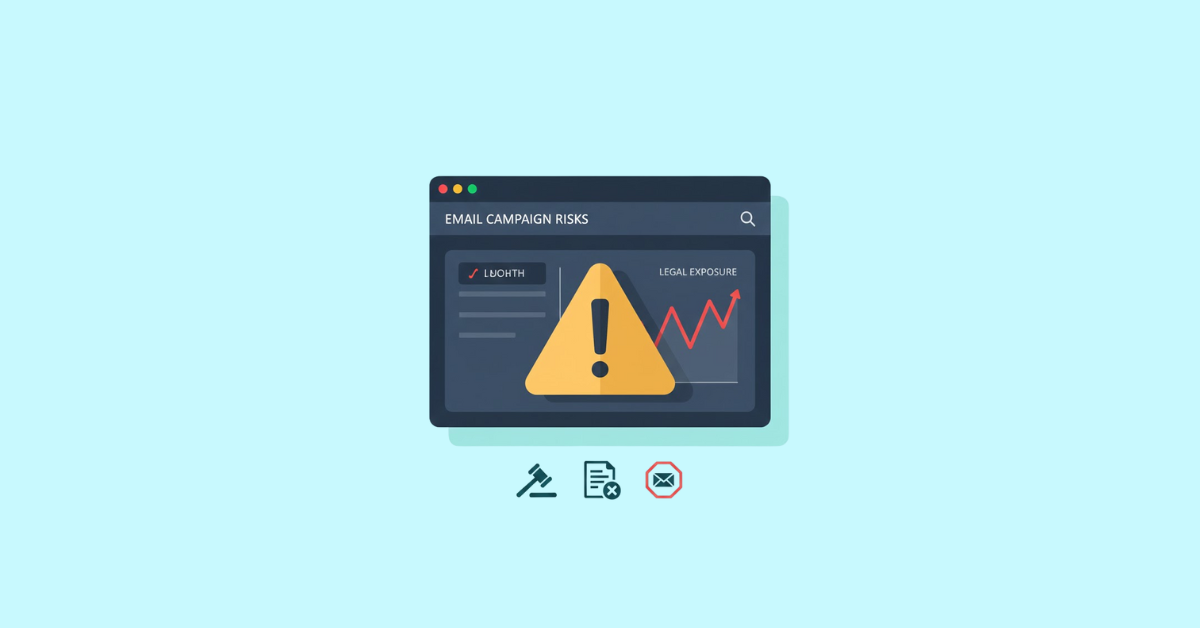
Ignoring these regulations can lead to penalties, account suspensions, and legal exposure.

Common Legal Risks of Building and Buying Email Lists

When companies buy email lists without proper due diligence, they expose themselves to multiple risks. Poor-quality lists often contain outdated addresses, spam traps, or contacts who never agreed to receive marketing emails.

Legal risks increase when businesses use purchased email marketing databases without proper disclosures or opt-out options. Repeated complaints damage sender reputation and reduce inbox placement across future campaigns.

Email List Providers and Their Responsibilities

Email list providers supply access to databases, but compliance responsibility always rests with the buyer. Providers may offer segmentation by industry, location, or company size, but segmentation alone does not confirm consent.

Before you buy an email database, businesses should ask how contacts were collected, how frequently data is updated, and whether opt-in proof exists. Transparency and documentation matter more than list size.

Targeting and Segmentation Reduce Legal Exposure

Targeted email lists help reduce irrelevant outreach and complaint rates. When businesses purchase email lists by industry or location, campaigns become more focused and respectful of recipient context.

Using targeted email lists such as a USA business email list or small business email list allows marketers to tailor messaging and improve engagement. Relevant outreach supports better results and fewer compliance issues.

How Data Accuracy Impacts Legal Safety

Accurate data reduces bounce rates and spam complaints, making email advertising more effective. Poor data quality often leads to compliance issues, even when laws technically allow outreach.

Businesses using updated email databases experience better deliverability and lower legal risk. Clean data supports responsible email advertising practices and protects sender reputation.

Ethical Alternatives to Buying Email Lists

Rather than focusing only on where to buy bulk email lists, many businesses now shift toward ethical data acquisition. Building lists through content, events, partnerships, and outbound prospecting improves trust and long-term engagement.

Verified data platforms and B2B database building tools like ReachStream offer safer alternatives to bulk email lists. These platforms focus on accurate, verified business contacts and align with email marketing tips that prioritize quality, relevance, and sustainable engagement over raw volume.

ReachStream and Compliant Email Outreach

ReachStream helps businesses reach the right prospects without introducing unnecessary legal or deliverability risks. Instead of offering scraped or random consumer data, ReachStream provides access to verified business contact information aligned with responsible B2B outreach practices.

The platform enables teams to connect with decision-makers using accurate company email data, reducing bounce rates and spam complaints. This makes it easier to run email campaigns that respect recipient expectations while maintaining a strong sender reputation.

By prioritizing accuracy and verification, ReachStream provides data privacy  and allows sales and marketing teams to focus on relevance rather than volume. This approach supports cleaner email marketing databases and consistent campaign performance without relying on risky email list purchases.

Try ReachStream Free

Start building verified B2B email lists today. Access 100 free, accurate emails and unlimited company profile views to scale your outreach safely.

Conclusion

Choosing whether to focus on building email lists or to Buy Email Lists requires careful consideration of legal obligations, data quality, and long-term impact. While purchased lists may offer speed, compliance risks and deliverability challenges often outweigh short-term gains.

Businesses that prioritize ethical list building, verified data, and transparent outreach protect their reputation and achieve stronger campaign performance. Email remains a powerful channel when responsibility and trust guide every decision.

FAQs

1. Is it legal to Buy Email Lists for marketing?

Legality depends on regional laws and how the data was collected. Compliance requires transparency, opt-outs, and lawful usage.

Yes, B2B email lists are commonly used, but businesses must still follow email regulations and email platform rules.

Choose reputable email list providers that clearly explain data sources, consent practices, and update frequency.

Yes, consumer mailing lists face stricter consent requirements and higher complaint risk than business email lists.

You may face spam complaints, account suspension, reduced deliverability, or legal penalties depending on location.

Yes, but campaigns must follow legal guidelines, use honest messaging, and include clear opt-out options.

Many platforms restrict or closely monitor purchased lists due to bounce rates and spam complaint risks.

Targeted email lists reduce irrelevant outreach, improve engagement, and lower compliance risks.

Building an email list offers better control over consent, data quality, and engagement, making it a safer long-term approach.

Using verified B2B data platforms like ReachStream helps businesses build accurate email lists while maintaining compliance and deliverability.

Table of Contents
Sharanya N K

Author

Access 150M+ verified business emails and grow your sales pipeline effortlessly.

Claim Your 100 Free Export Credits Today!

Power Your Sales with Targeted Data
Sharanya N K
Sharanya N KAuthor
Sharanya N K
Sharanya N KAuthor

Don't forget to share this post!

Check out our other blogs!