

How to Evaluate B2B Data Vendors for Accuracy and Compliance
Finding the right B2B data provider often comes down to one question: can you actually test it before you commit? Annual contracts and opaque pricing make it difficult to know whether a platform’s data will work for your specific ICP until you’ve already signed.
This guide breaks down what B2B data providers do, how to evaluate them during a free trial, and which platforms let you test before buying—so you can make a grounded decision based on real results, not sales demos.
B2B data providers collect, verify, and sell business information—contact details, firmographics, technographics, and intent signals—that powers sales, marketing, and product development. Think of them as the infrastructure behind your CRM and outbound campaigns, supplying the raw material you use to reach decision-makers.
The right provider for your team depends on your workflow, use case, and team size. Some platforms focus on verified phone numbers for cold calling. Others specialize in enrichment APIs for developers or all-in-one prospecting suites for SDRs. There’s no universal “best”—only what fits your specific motion.
Contact data decays fast. People change jobs, companies restructure, and email addresses go stale. Manual prospecting can’t keep pace with this churn, which is why revenue teams turn to data providers to maintain pipeline velocity.
Here’s the catch: match rates and data quality differ wildly between providers. A database with millions of contacts means little if those contacts don’t match your ideal customer profile—or if the emails bounce when you hit send.
What a reliable B2B data provider delivers:
Before evaluating free trials, it helps to understand what you’re actually buying. Most providers offer some combination of the following data types.
Names, job titles, verified emails, and direct phone numbers for individual decision-makers. This is the foundation of any outbound motion.
Company-level attributes: industry, employee count, revenue range, and headquarters location. You’ll use firmographics to filter accounts that match your target market.
Information about what software and tools a company currently uses. If you sell a Salesforce integration, knowing which prospects already use Salesforce is valuable intelligence.
Behavioral signals indicating when a company is actively researching a topic or solution relevant to your offering. Intent data helps you prioritize accounts showing buying behavior right now.
Real-time events—job changes, funding rounds, new hires—that suggest a company might be ready to buy. Timing outreach around trigger events can dramatically improve response rates.
Trial data can look better than real-world lists. Providers often showcase their cleanest records during evaluation periods, so testing strategically matters.
Most trials offer a set number of credits or contact reveals. Know how many you get and what counts against them—some providers charge credits for viewing data, others only for exporting.
Some trials limit access to advanced filters, intent data, or API functionality. Ask what’s included versus gated behind paid tiers before you start.
Trials that require payment information upfront create friction if you decide not to continue. Look for providers that let you evaluate without entering billing details.
Typical trial windows range from 7 to 14 days. Check whether unused credits roll over or expire, and understand what happens when the trial ends.
If your workflow depends on syncing data to Salesforce or HubSpot, test those integrations during the trial. A provider that doesn’t connect to your existing tools creates manual work you don’t want.
Data coverage is not the same as data accuracy. A provider might claim 200 million contacts, but what matters is whether those contacts match your ICP and whether the emails actually work.
Verification methods vary significantly. Some providers rely solely on AI, while others combine AI with human review. Accuracy directly impacts your email deliverability and sender reputation.
A large database only matters if it covers your target market. If you sell to mid-market healthcare companies in the Midwest, global contact counts are less relevant than regional depth.
Evaluate native integrations versus API-only options. Native integrations typically require less technical setup, while APIs offer more flexibility for custom workflows.
GDPR and CCPA are data privacy regulations governing how you can collect and use contact information. Compliance is essential for teams targeting European or California-based contacts—non-compliance can result in significant fines.
Frame pricing against pipeline impact, not just cost per contact. Enterprise providers often require annual contracts at higher price points, while SMB-focused tools offer monthly plans.
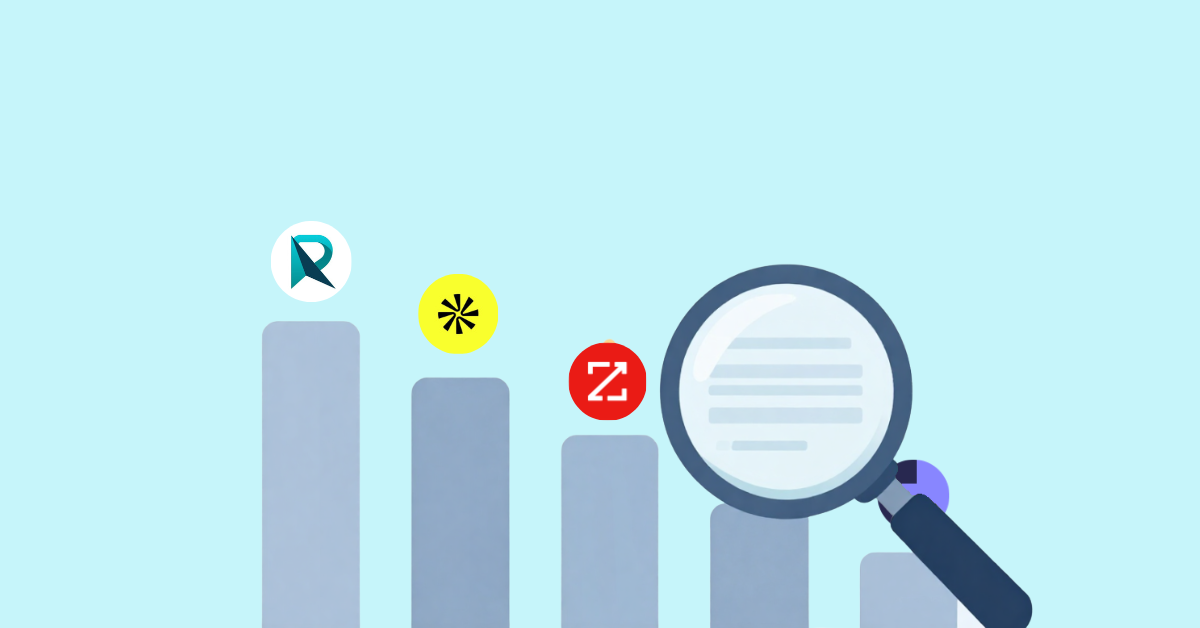
Here’s a breakdown of leading providers that offer free trials or freemium access, organized by primary use case.
ReachStream combines list building, data enrichment, and CRM integration in one platform. The Chrome extension works directly on LinkedIn, letting you capture verified contacts without leaving your prospecting workflow.
Apollo is widely popular for combining data access with outreach automation. The free tier is generous enough for solo practitioners to run real campaigns.
ZoomInfo offers deep coverage and sophisticated features. However, the price point puts it out of reach for smaller teams testing the market.

Choosing a B2B data provider involves more than comparing database sizes or pricing plans. The right partner should align with your target market, integrate seamlessly with your existing tools, and deliver data that supports measurable revenue growth.
Start by identifying the industries, company sizes, roles, and locations you target. Your ICP determines which provider has relevant coverage.
Assess what’s missing from your existing CRM—incomplete records, outdated contacts, or missing firmographics. This tells you whether you’re looking for enrichment, net-new contacts, or both.
Use a small, blind sample of your own target accounts to test match rates. Don’t rely solely on the provider’s demo data.
Confirm the provider syncs with your existing tools without requiring complex data modeling or migrations.
Evaluate total cost of ownership against expected pipeline contribution, not just per-seat or per-credit pricing.
Many vendors offer free trials, but not all evaluations produce meaningful results. By testing the platform against real business needs and workflows, you can gain a clearer understanding of its strengths and limitations.
Define what success looks like before starting—number of qualified leads, email deliverability rate, or CRM records enriched.
Test the data in actual workflows rather than just browsing the interface. Measure response rates and bounces against your current baseline.
Track bounce rates from trial exports. This is the most practical measure of data accuracy you can get.
If your workflow relies on LinkedIn prospecting or automated enrichment, validate that the features work as expected during the trial window.
Tip: Because trial data can look better than real-world lists, test providers with a small, blind sample of your own target accounts before signing an annual contract.
ReachStream offers a free tier with monthly enrichment credits, a Chrome extension at no extra cost, and a platform designed for revenue teams of every size. You can access contacts with 20+ filters, enrich incomplete CRM records, and sync directly with your existing sales tools.
Pricing varies widely. Some offer per-seat monthly plans starting under $50, while enterprise providers require annual contracts at significantly higher price points. The best approach is to evaluate pricing against your expected pipeline impact rather than comparing costs in isolation.
A free trial offers temporary full or partial access before requiring payment. A freemium model provides ongoing free access with limited credits or features. Providers like Apollo and ReachStream offer freemium tiers with upgrade options for teams that want more volume.
Most reputable providers maintain compliance with major data privacy regulations, though practices vary. Always verify a provider’s data sourcing methods and consent frameworks before targeting European or California-based contacts.
Export capabilities during free trials vary by provider. Some allow full CSV exports while others restrict downloads to encourage paid conversion. Check export limits before starting your trial.
Marketing professional with a Master’s degree in Marketing, specializing in SEO, content strategy, social media, performance marketing, prospecting, and demand generation.
Access 200M+ verified business emails and grow your sales pipeline effortlessly.
Don't forget to share this post!















Check out our other blogs!
Email Verification Tools: 15 Ways to Check Business Emails
B2B Data Providers: How to Compare Contact Data Platforms
CRM Data Enrichment: How to Improve Incomplete Contact Records
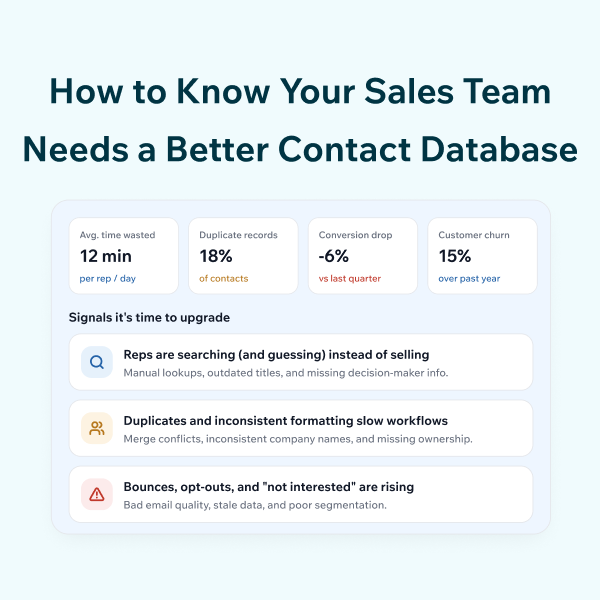
How to Know Your Sales Team Needs a Better Contact Database