

How to Evaluate B2B Data Vendors for Accuracy and Compliance
Creating a successful sales pipeline requires more than just discovering potential buyers. Businesses need a structured approach to identify suitable companies, connect with decision makers, and create meaningful sales opportunities. This process helps organizations improve revenue consistency, reduce wasted effort, and focus their resources on prospects that match their business goals.
B2B Lead Generation helps companies discover and engage potential buyers through targeted research, accurate business data, personalized communication, and effective sales processes. From startups building their first customer base to established enterprises expanding into new markets, a reliable lead generation process supports long-term business growth.
Modern buyers research solutions before speaking with sales teams. They compare providers, review information online, and evaluate whether a solution fits their needs. Because of this, businesses must establish a clear process that links marketing activities to sales objectives.
A successful approach includes several stages: identifying the right audience, collecting verified contact information, understanding buyer requirements, qualifying opportunities, and maintaining consistent communication. Each stage helps sales teams create better conversations with potential customers.
B2B lead generation is the process of identifying companies that may need your products or services and collecting information about the people involved in purchasing decisions. Unlike consumer marketing, B2B campaigns focus on organizations, departments, and professional buyers.
The goal is not simply to collect a large list of contacts. A successful process focuses on finding businesses that match your Ideal Customer Profile (ICP), understanding their needs, and creating opportunities for sales conversations.
After defining the target audience, sales and marketing teams collect relevant information about potential customers. This information may include company details, professional roles, business email addresses, phone numbers, and other information that supports personalized sales conversations.
A B2B Sales Lead is a potential business opportunity that meets specific qualification criteria. However, not every contact immediately becomes a sales opportunity. Businesses need a process to evaluate whether a prospect meets the required criteria, has decision-making authority, and demonstrates sufficient interest.
Business purchasing decisions have become more detailed. Buyers review different solutions, compare providers, and involve several team members before choosing a vendor. This creates a need for a more organized approach to finding and engaging potential customers.
A strong Lead Generation Strategy allows businesses to create a predictable system for attracting qualified prospects. Instead of relying on random opportunities, companies can build a repeatable process to support continuous pipeline growth.
Lead generation also helps businesses better understand their audience. By tracking campaign performance, companies can identify which industries respond positively, which job roles influence purchases, and which channels produce valuable opportunities.
Different organizations require different approaches. A SaaS company may focus on software decision-makers, while a manufacturer may target procurement teams, distributors, or operations leaders. This is why a customized approach produces better results than a single method applied to every business.
When these elements work together, businesses can create a stronger foundation for customer acquisition and revenue growth.
A successful B2B lead generation program starts with a clear plan. Businesses must understand their ideal audience, choose the right communication channels, develop relevant messaging, and build a structured process that guides prospects from initial engagement to sales conversations.
A strong Lead Generation Strategy connects marketing goals with sales objectives. It helps teams decide which companies to target, what information they need, how they should communicate, and how they will measure results.
The first step is to define the ICP, or Ideal Customer Profile. This profile helps businesses identify companies that receive the most value from their solutions. A clear ICP includes details such as industry, company size, revenue range, location, business challenges, and technology requirements.
For example, a cloud software provider may focus on technology companies with growing teams, while an equipment manufacturer may focus on industrial organizations with specific production needs. When teams understand their ideal customers, they create campaigns that attract better opportunities.
A well-organized prospect list gives sales teams a strong starting point. Businesses should collect information that helps representatives understand each company before beginning conversations.
A targeted prospect list may include:
Many businesses start with manual research through company websites, social platforms, and industry directories. While this approach can help smaller teams, growing organizations often require specialized solutions to manage large prospect lists efficiently.
This is where Prospecting Tools become valuable. These platforms help sales teams discover companies, identify relevant contacts, organize prospect information, and accelerate research.
The right tool should provide accurate information, flexible search options, and features that support sales workflows. Businesses should evaluate factors such as data accuracy, company coverage, integrations, and ease of use before selecting a platform.
Finding potential customers is only the beginning. Sales teams need a clear method to determine whether a prospect has a strong chance of becoming a customer.
Understanding how to qualify B2B Leads helps organizations prioritize opportunities based on business fit and buying potential.
A structured qualification process helps sales teams focus their time on valuable conversations. It improves coordination between marketing and sales by ensuring both teams have a shared understanding of when a prospect becomes sales-ready.
Businesses often use qualification frameworks such as BANT, CHAMP, or MEDDICC to review opportunities. The right framework depends on sales cycle length, product complexity, and customer requirements.
Successful companies use multiple channels to connect with potential buyers. The best channel mix depends on the target audience, industry, and purchasing process.
Content marketing helps businesses educate prospects and build credibility. Companies create articles, guides, case studies, webinars, and industry reports that address customer challenges.
Search engine optimization also helps businesses attract professionals who are actively searching for solutions. When companies create useful resources around customer problems, they can generate interest from relevant audiences.
Sales teams use personalized campaigns to connect with specific companies and decision-makers. These campaigns require accurate information and clear messaging.
B2B Outreach helps organizations create direct communication with potential buyers through channels such as email, professional networks, and sales conversations. The focus should remain on providing value and understanding business needs.
Outbound Lead Generation allows businesses to proactively identify companies that match their customer profile. Instead of waiting for prospects to discover a company, sales teams actively search for suitable opportunities.
Common outbound methods include:
Successful outbound campaigns depend on accurate targeting. When businesses contact unsuitable companies, response rates decrease. When teams focus on the right audience with relevant messaging, they create stronger sales opportunities.
Different industries require different methods because buyers have unique challenges and purchasing processes.
Software companies often target technology leaders, department managers, and business executives who need solutions that improve efficiency.
B2B SaaS Lead Generation usually focuses on:
SaaS companies often use product demonstrations, free trials, webinars, and targeted campaigns to generate interest.
Manufacturing companies require detailed information because purchasing decisions often involve technical teams, operations managers, and procurement departments.
Manufacturing Sales Leads typically focus on:
Accurate company data helps manufacturers identify organizations that have relevant requirements and purchasing potential.
Some businesses choose to work with external experts to improve their sales pipeline. Outsourced B2B Lead Generation services help companies access specialized teams, technology, and research capabilities without building everything internally.
Working with a trusted B2B Lead Generation Services provider can help companies improve efficiency while allowing internal teams to focus on closing opportunities.
However, businesses should carefully evaluate providers based on experience, data practices, industry knowledge, and reporting capabilities.
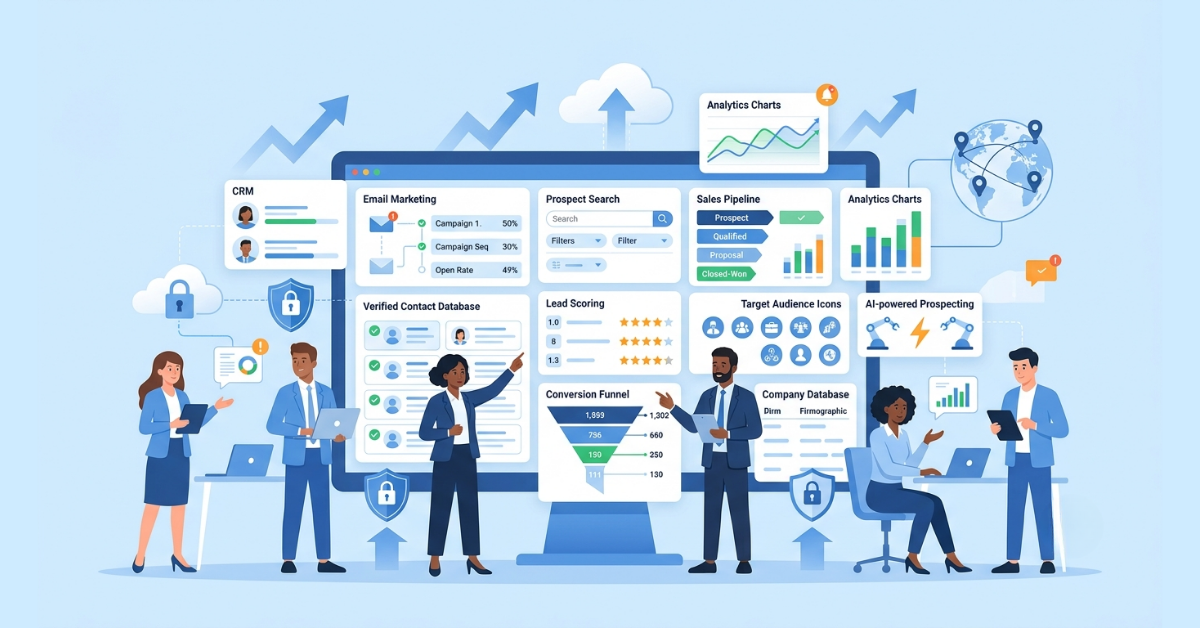
Technology has become an important part of modern sales and marketing operations. Businesses use different platforms to find prospects, organize customer information, manage campaigns, and improve sales productivity.
The right technology stack helps teams reduce manual work and streamline the process from prospect discovery to customer conversion. However, businesses should select tools based on their goals, target audience, sales process, and data requirements.
A strong technology setup usually includes customer relationship management platforms, automation solutions, sales intelligence platforms, and reliable contact databases.
Accurate information plays a major role in successful prospecting. Sales Lead Databases help businesses access company details, professional contacts, job roles, industry information, and other data points required for targeted campaigns.
A quality database helps sales teams:
Businesses should evaluate databases based on data accuracy, update frequency, search filters, industry coverage, and integration options.
A large database does not always create better results. The quality of information matters because incorrect contact details can reduce campaign performance and waste sales resources.
Modern sales teams use B2B Sales Software to manage different stages of their sales process. These platforms help organizations organize customer information, track opportunities, automate tasks, and improve collaboration between teams.
The right software depends on company size, sales goals, and workflow requirements. A startup may need simple contact management, while an enterprise sales team may require advanced automation and reporting features.
When selecting software, businesses should focus on usability, integration options, customization, and long-term value rather than choosing a platform solely for the number of features.
Businesses often compare different providers before investing in sales intelligence solutions. The market includes platforms that offer contact databases, company insights, automation features, and prospect research capabilities.
When evaluating B2B Sales Companies, businesses should consider:
The right provider should help sales teams find relevant prospects while supporting their existing workflow.
For small and growing businesses, choosing the Best B2B Contact Databases requires careful evaluation. Smaller teams usually need affordable solutions that provide accurate contacts, simple search options, and flexible usage plans.
Several platforms help businesses discover professional contacts and company information. Each platform has different strengths depending on business requirements.
Each platform serves different business needs. Companies should compare providers based on target market, required data fields, budget, and sales workflow.
ReachStream supports sales and marketing teams by providing access to verified B2B contacts, company information, and tools that simplify prospect research. Tools that offer advanced search, enriched contact information, and instant prospect discovery help businesses accelerate the identification of opportunities.
Small businesses must overcome obstacles such as budget limitations, compact sales teams, and fewer resources available for prospecting efforts. A reliable data source and structured process can help them compete more effectively.
Small businesses should avoid collecting large volumes of contacts without a clear purpose. A smaller list of relevant prospects often produces better results than a larger list with limited information.
A suitable B2B Service Provider can support businesses by offering specialized expertise, technology, and resources to improve their sales processes. Companies should review provider experience, industry understanding, and service quality before making a decision.
Data quality affects every stage of B2B lead generation. Sales teams depend on accurate information to identify companies, connect with decision makers, and create meaningful conversations.
This is why businesses invest in data verification and enrichment. Updated company information allows teams to create more relevant campaigns and improve their sales workflow.
ReachStream helps organizations strengthen their prospecting process by providing access to verified business contacts and company intelligence. Sales and marketing teams can use these insights to identify suitable accounts, understand target companies, and improve campaign targeting.
Selecting the right partner can improve the efficiency of your sales process and help your team access better business opportunities. A reliable partner should provide accurate information, flexible solutions, and tools that support your specific sales goals.
Before choosing a provider, businesses should review several factors:
A suitable partner should understand your target audience and provide information that helps your sales team identify relevant companies. The goal is to create a smoother process in which marketing teams can identify suitable prospects and sales representatives can focus on building customer relationships.
Companies that work with the right provider can improve productivity because sales teams spend less time on manual data collection and more time engaging with qualified opportunities.
Finding accurate business contacts remains one of the biggest challenges for sales and marketing teams. ReachStream helps businesses simplify prospect research by providing access to verified B2B contact information and company data.
The platform supports organizations that need to identify decision makers, build targeted prospect lists, and improve their sales process with reliable business intelligence.
With access to a large B2B contact database, businesses can create targeted campaigns based on factors such as industry, company size, location, and professional role.
The ReachStream Chrome Extension also helps sales teams discover relevant information while browsing company websites and professional profiles. This allows representatives to collect useful business details without switching between different platforms.
For organizations that need deeper integration, ReachAPI supports data access within existing workflows. Teams can connect business intelligence with their internal systems and improve their prospect management process.
Choosing a reliable data platform helps companies create a stronger foundation for their sales activities. Instead of spending excessive time searching for contact information, teams can focus on understanding customer needs and creating valuable conversations.
B2B lead generation requires a structured approach that combines audience research, accurate data, effective technology, and consistent sales processes. Businesses that understand their ideal customers can create better campaigns, identify stronger opportunities, and improve revenue performance.
A successful process begins with a clear Lead Generation Strategy and continues through prospect research, qualification, database management, and performance measurement. Every stage contributes to building a healthier sales pipeline.
Companies should focus on quality information, targeted campaigns, and tools that support their sales objectives. Whether a business uses internal resources, professional platforms, or B2B Lead Generation Services, the right approach helps teams connect with suitable prospects.
ReachStream provides businesses with verified contact data, advanced search capabilities, enrichment solutions, and tools designed to support modern sales teams. By combining reliable information with effective strategies, organizations can create more productive sales processes.
Start building a stronger prospecting process today with ReachStream.
B2B lead generation is the process of identifying potential business customers and gathering information about decision-makers who may be interested in a product or service. It helps sales teams create qualified opportunities and build a consistent pipeline.
Businesses qualify B2B leads by reviewing factors such as company fit, business requirements, budget, decision-making authority, and purchase timeline. A qualification process helps sales teams prioritize better opportunities.
Businesses can find B2B leads through company websites, professional networks, industry directories, referrals, events, content marketing, and verified contact databases. The best source depends on the target audience and sales goals.
Sales lead databases provide organized business information that helps teams identify companies, find decision makers, and create targeted prospect lists. They reduce manual research and improve sales efficiency.
Small businesses should evaluate contact accuracy, search features, pricing, industry coverage, integrations, and customer support when selecting a B2B contact database.
Outsourced B2B lead generation can help companies access specialized expertise, technology, and research support. Businesses should evaluate providers based on experience, service quality, and understanding of their target market.
Prospecting tools help sales teams find potential customers, organize information, identify decision makers, and reduce manual research time. They support a more organized and efficient sales process.
ReachStream helps sales and marketing teams access verified business contacts, search relevant companies, enrich data, and improve prospect research. These capabilities help businesses create targeted campaigns and improve sales productivity.
Marketing professional with a Master’s degree in Marketing, specializing in SEO, content strategy, social media, performance marketing, prospecting, and demand generation.
Access 200M+ verified business emails and grow your sales pipeline effortlessly.
Don't forget to share this post!















Check out our other blogs!
Email ID Checker: Verify Any Email ID Online
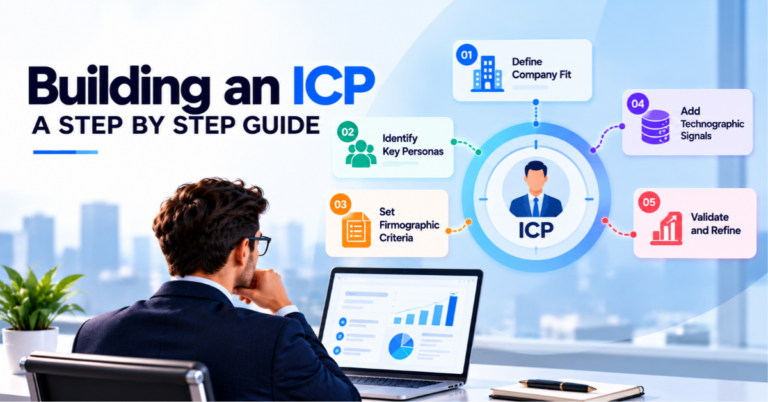
ICP Refinement for SDRs: Using Data Filters to Stop Wasting Touches

Email Validator: Validate Email Format, Domain and Mailbox