

How to Evaluate B2B Data Vendors for Accuracy and Compliance
Generating leads is only the first step in building a successful B2B sales pipeline. The bigger challenge is identifying which prospects have real business potential and deserve sales attention. This is where Lead Qualification becomes essential.
Many companies collect hundreds or thousands of contacts but struggle to convert them into opportunities because every lead receives the same level of attention. Without a structured qualification process, sales teams spend valuable time following up with prospects who lack the right requirements, authority, budget, or purchase intent.
B2B lead qualification helps marketing and sales teams evaluate prospects based on business fit, buying readiness, and potential value. It creates a clear process for separating high-quality opportunities from contacts that need further nurturing.
For a broader understanding of how lead generation connects with targeting, prospect research, data quality, and sales processes, explore our complete guide: The Ultimate B2B Lead Generation Guide (2026). The pillar guide explains the complete lead generation ecosystem, while this article focuses specifically on improving qualification accuracy.
Lead qualification is the process of evaluating whether a potential customer matches a company’s ideal customer profile and has a realistic possibility of becoming a sales opportunity.
A qualified lead is not simply a person who downloads content, fills out a form, or appears in a contact database.
A qualified lead shows alignment with key factors such as:
In B2B sales, qualification helps teams focus resources on prospects that have a higher probability of conversion.
A strong B2B process requires both. Lead generation creates opportunities, while qualification ensures teams prioritize the right ones.
B2B buying decisions often involve multiple stakeholders, longer sales cycles, and higher purchase values. Because of this, sales teams cannot rely only on lead volume.
Sales representatives spend less time contacting unsuitable prospects and more time engaging buyers who have genuine requirements.
For example, instead of manually following up with every software company that visits a website, a sales team can prioritize companies that match their target industry, employee size, technology needs, and buying timeline.
Qualification creates shared criteria between marketing and sales teams.
Marketing teams understand what type of leads should be delivered, while sales teams know which prospects require immediate attention.
Poor qualification increases wasted effort. Teams spend money on campaigns, outreach, and research that produce limited revenue opportunities.
Better qualification improves resource allocation by focusing investment on prospects with stronger conversion potential.
When businesses understand how many leads move through qualification stages, they can estimate future pipeline performance more accurately.
A successful lead qualification process follows a structured workflow. The exact steps may vary depending on industry, sales cycle, and product complexity, but most organizations follow similar stages.
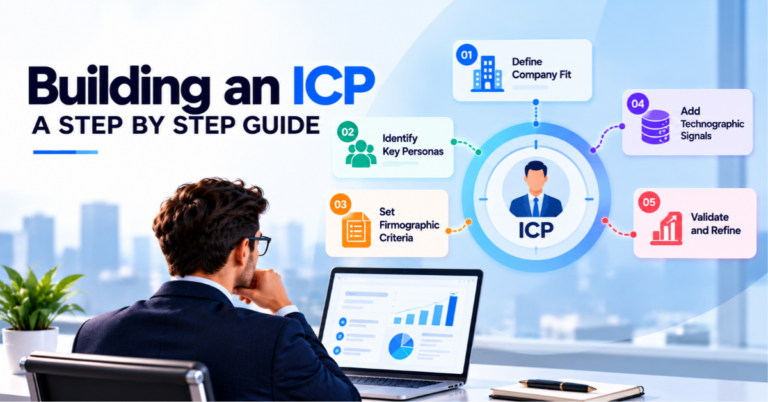
Before qualifying leads, businesses need clear criteria for their best customers.
An ICP defines the characteristics of companies most likely to benefit from a product or service. Common ICP factors include:
Lead fit measures how closely a prospect matches the target customer profile. Teams usually review:
A lead may fit your customer profile but still not be ready to purchase. Buying intent indicators include:
Intent helps sales teams understand timing and urgency.
A common qualification mistake is engaging only with interested contacts rather than decision-makers. Sales teams should identify:
Understanding buying roles improves sales conversations and reduces delays.
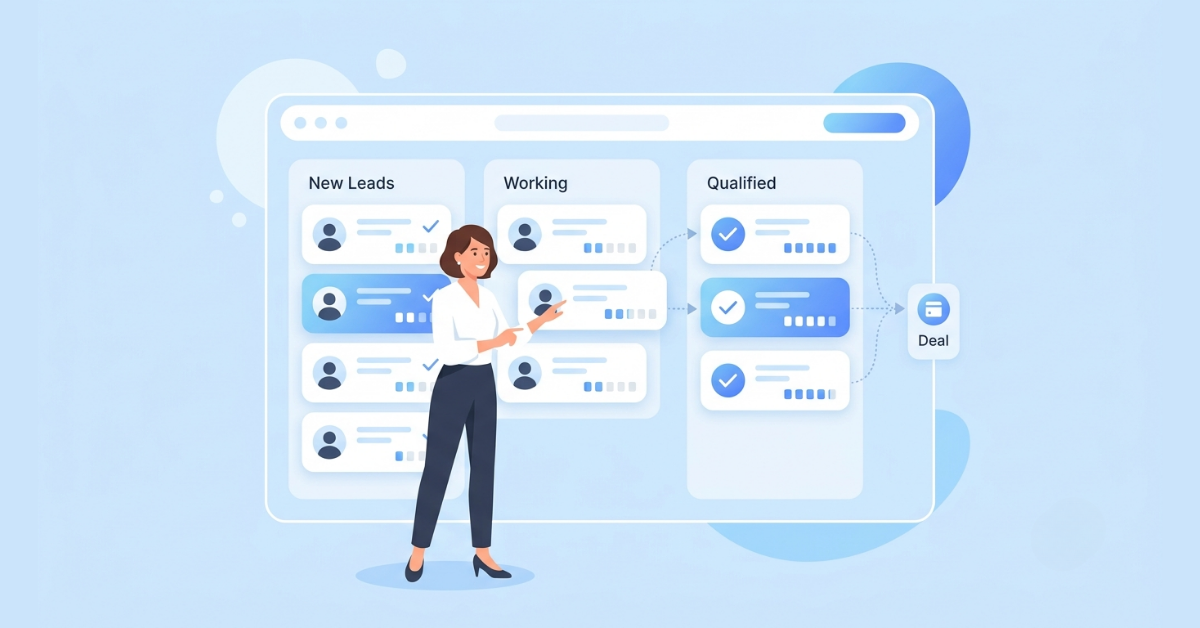
After reviewing lead information, businesses can categorize prospects:
Different businesses use different qualification models depending on sales complexity.
BANT evaluates:
It works well for traditional sales environments where purchasing decisions follow a clear process.
CHAMP focuses on:
This approach starts with customer problems rather than budget discussions.
MEDDICC is commonly used for complex enterprise sales. It evaluates:
The best framework depends on deal size, sales complexity, and customer buying behavior.
Lead scoring helps businesses rank prospects based on predefined criteria.
Instead of manually reviewing every lead, teams assign points based on actions and characteristics.
A prospect reaching a specific score threshold can automatically move to sales review.
A person opening multiple emails does not always represent a strong opportunity. Business fit remains equally important.
A prospect downloading content does not automatically mean they are ready to buy.
Better approach: Combine engagement signals with company fit and buying criteria.
Long qualification forms can reduce conversions.
Better approach: Ask essential questions first and collect additional information during sales conversations.
Incorrect company details, outdated contacts, or incomplete information can create inaccurate qualification decisions.
Better approach: Use updated business data and enrichment processes to improve prospect understanding.
Markets, products, and customer needs change over time.
Better approach: Review ICP and qualification rules regularly based on conversion data.
Finding the right prospects is one of the biggest challenges in the qualification process. ReachStream helps businesses improve this process by providing verified B2B contact information, company insights, and prospect discovery capabilities.
Sales and marketing teams can use ReachStream to:
The platform supports teams that need better visibility before starting sales conversations. Instead of spending significant time manually researching companies, businesses can access structured information to evaluate potential opportunities more effectively.
As B2B sales becomes more data-driven, businesses should focus on improving qualification accuracy through:
Automation can identify patterns, but sales expertise is still required to understand customer challenges.
Evaluate prospects using multiple factors:
Both teams should agree on:
Track:
Lead qualification helps B2B companies move beyond collecting contacts and focus on creating meaningful sales opportunities. A structured qualification process allows teams to identify the right prospects, improve sales efficiency, and increase conversion potential.
Successful qualification combines accurate customer profiles, clear frameworks, reliable data, and continuous optimization. Businesses that invest in better qualification processes can create stronger pipelines and improve revenue performance.
To understand how qualification fits into the complete B2B growth process, explore The Ultimate B2B Lead Generation Guide (2026) and discover how targeting, prospecting, data quality, and sales workflows work together.
ReachStream helps businesses strengthen their prospect qualification process with verified B2B data, advanced search capabilities, and tools designed to help sales teams identify better opportunities.
Lead qualification is the process of evaluating potential customers based on business fit, buying requirements, authority, budget, and purchase readiness to identify valuable sales opportunities.
Lead qualification helps sales teams prioritize better opportunities, reduce wasted outreach, improve conversion rates, and create a more predictable sales pipeline.
Common qualification criteria include company fit, business need, decision-maker involvement, budget availability, purchase timeline, and alignment with the ideal customer profile.
An MQL shows marketing interest and engagement, while an SQL meets sales criteria and is considered ready for direct sales communication.
The right framework depends on sales complexity. BANT works well for simple sales, while MEDDICC is often used for complex enterprise opportunities.
Marketing professional with a Master’s degree in Marketing, specializing in SEO, content strategy, social media, performance marketing, prospecting, and demand generation.
Access 200M+ verified business emails and grow your sales pipeline effortlessly.
Don't forget to share this post!















Check out our other blogs!
Email ID Checker: Verify Any Email ID Online
ICP Refinement for SDRs: Using Data Filters to Stop Wasting Touches

Email Validator: Validate Email Format, Domain and Mailbox