Top 5 Plastic Surgeons Email List Providers - Who's the Best?
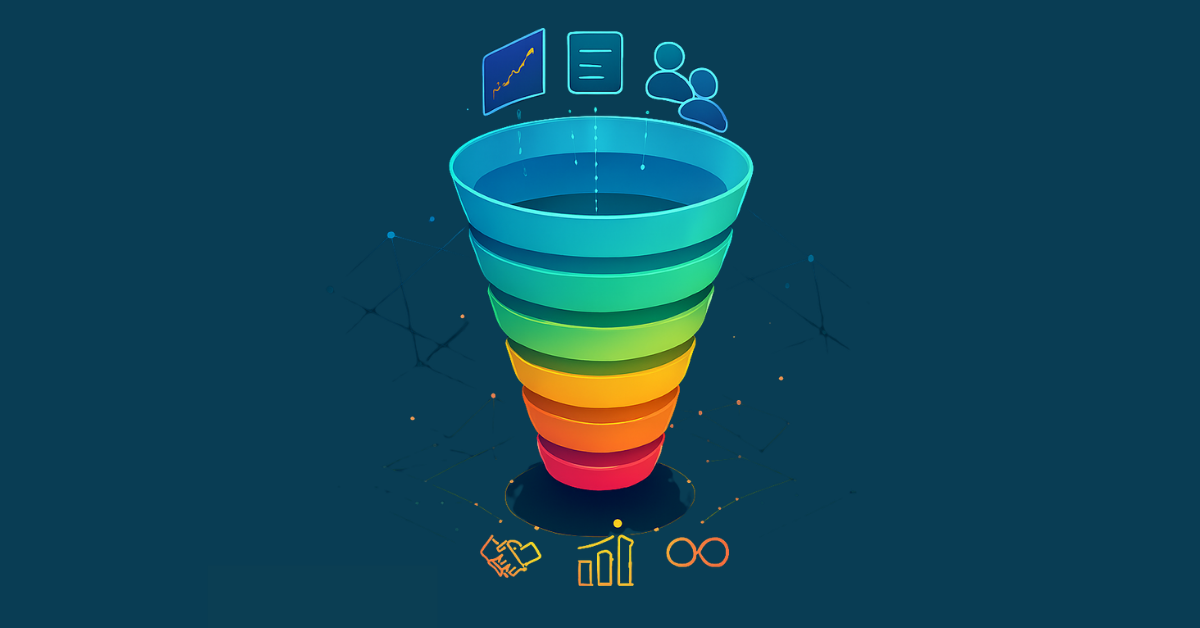
In the evolving world of B2B sales, mastering the sales funnel is essential for building predictable revenue streams, accelerating sales cycles, and enhancing customer retention. A B2B sales funnel is more than a linear path—it is a dynamic system designed to guide prospects through nuanced buying decisions involving multiple stakeholders over extended periods.
This guide explores each crucial stage of the modern B2B sales funnel, strategies tailored to these stages, advanced optimization tactics, and key metrics to track for success in 2025 and beyond.
What Is a B2B Sales Funnel?
The B2B sales funnel maps the buyer’s journey—from awareness of a problem to evaluation of solutions and finally, to purchase and long-term loyalty. Unlike B2C transactions that are often individual and impulsive, B2B decisions involve complex evaluations, cross-departmental approvals, and longer consideration phases.
Awareness: Capture attention and build brand visibility through SEO-driven blogs, social media, paid ads, and events. Website traffic, impressions, engagement
Interest: Engage and educate potential buyers Lead magnets, educational content, webinars Email open rates, content downloads
Consideration: Differentiate your solution. Case studies, testimonials, product demos, whitepapers, Demo requests, webinar attendance
Leverage firmographic, technographic, and behavioral data to build detailed buyer personas. This enables precise targeting and content personalization for higher engagement [dealfront.com].
Sales and Marketing Alignment
Integrate sales and marketing efforts by sharing KPIs and creating joint strategies for lead nurturing and handoff to close the gap between teams [zoominfo.com].
Leverage AI and Automation
Use AI-powered lead scoring to prioritize high-potential leads. Automate email marketing sequences, follow-ups, and chatbots for real-time engagement and faster response times [smarte.pro].
Multi-Channel Engagement
Combine email, social media, retargeting ads, webinars, and direct sales outreach in a coordinated funnel strategy to maximize touchpoints and drive conversions [only-b2b.com].
Continuous Funnel Analysis and A/B Testing
Track stage-wise conversion rates, identify drop-offs, and test different messaging and calls-to-action regularly to refine the funnel’s effectiveness [rainsalestraining.com].
Focus on Post-Purchase Success
Implement robust onboarding programs, collect proactive feedback, and maintain regular communication to upsell and reduce churn, turning customers into advocates [proposify.com].
Measurement and KPIs to Track Funnel Health
Awareness: Impressions, unique visitors, social engagement
Interest: Content downloads, email open rates, webinar registrations
Consideration: Demo requests, case study views
Intent: Quote requests, sales-ready leads
Evaluation: Deal close rate, average sales cycle duration
The B2B sales funnel in 2025 demands a buyer-centric, agile, and data-driven approach. Success hinges on aligning marketing and sales, employing advanced automation and AI, personalizing content at scale, and continuously optimizing through analytics. Additionally, prioritizing customer retention and expansion post-sale ensures sustainable growth and maximized ROI.
For B2B leaders and marketers, mastering the sales funnel isn’t optional—it’s imperative to thrive in today’s competitive and complex sales landscapes.
FAQs
1. What is the B2B sales funnel?
A B2B sales funnel is a structured series of stages that guides business prospects from initial awareness to conversion and retention, optimizing how companies attract, qualify, and close deals with business customers.
2. What are the 5 stages of the sales funnel?
The five main stages are Awareness, Interest, Evaluation/Consideration, Decision/Action, and Post-Sale/Loyalty.
3. What are the 7 steps of the B2B selling process?
The seven common steps are Prospecting, Qualification, Needs Analysis, Presentation, Handling Objections, Closing, and Follow-up/Account Management.
4. What is the B2C sales funnel?
A B2C sales funnel maps how individual consumers move through stages from becoming aware of a product, evaluating it, and making a purchase decision to post-purchase engagement and loyalty.
Table of Contents
Kate Anderson
Author
Kate AndersonAuthor
Access 200M+ verified business emails and grow your sales pipeline effortlessly.