


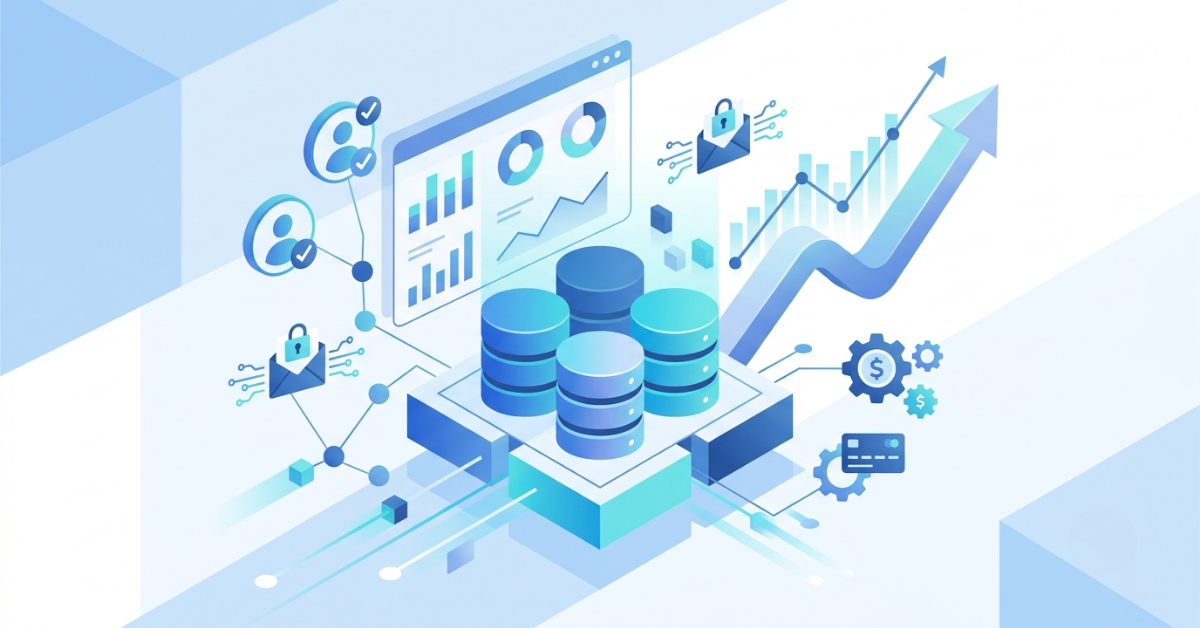
How to Evaluate B2B Data Vendors for Accuracy and Compliance
Fintech buyers move fast, and sales teams that depend on outdated contact sheets lose deals before the first call happens. A B2B team chasing fintech prospects needs a mailing list that reflects current job titles, verified email addresses, and companies that are still operating. This blog breaks down what makes a fintech mailing list dependable, how to evaluate vendors, and how to use the data once you have it.
A fintech mailing list earns the “reliable” label when it combines accuracy, freshness, and proper segmentation. Fintech is a fast-moving sector — companies pivot from lending to payments, leadership changes after funding rounds, and compliance officers often rotate roles. A list built six months ago can already misrepresent half the org charts it covers. Reliability also depends on consent. Contacts gathered through opt-in channels respond better and keep your domain reputation intact, while scraped or purchased-in-bulk records tend to bounce and trigger spam complaints. Platforms such as ReachStream’s B2B data platform build lists from verified, opt-in sources, which keep deliverability high and campaign performance measurable.
Fintech buyers operate inside compliance-heavy environments, so a single wrong contact can cost a sales rep an entire account. Sending a pitch to a former compliance head instead of the current one signals carelessness, and fintech decision-makers tend to remember which vendors did their homework. Accurate data also shortens sales cycles because reps spend less time confirming details and more time having actual conversations. ReachStream’s Our Data page outlines how contact records are checked against multiple criteria before they reach a buyer’s list, which matters when deal margins depend on reaching the right inbox the first time.
Choosing a vendor means looking past the marketing page and checking how the company actually collects, verifies, and maintains its records. A provider that explains its verification process, offers a free sample, and shows transparent pricing is usually a safer bet than one that promises millions of contacts without details on sourcing. Ask for a trial batch before committing budget, and test that batch against your CRM to see real bounce and reply rates. ReachStream’s List Builder lets teams filter and preview records before exporting, so reps can judge data quality before spending credits.
Fintech is broad, and a list built without filters mixes payment processors with crypto exchanges and insurance-tech startups, which dilutes targeting. Strong filters keep the list focused on accounts that match your ideal customer profile, and they save credits by avoiding records you’ll never contact. ReachStream’s Contact and Company Data feature supports filtering by industry subcategory, job function, company size, and location, helping reps build a list aligned with their actual pipeline goals rather than a generic batch of fintech names.
Sending to unverified addresses damages the sender’s reputation and reduces the likelihood that future emails will land in the inbox at all. Fintech inboxes are guarded by strict spam filters because financial firms face phishing attempts daily, so a list with high bounce rates gets flagged fast. Verifying emails before sending protects domain health and improves open rates because the recipients are real, active professionals. ReachStream’s RightEmails feature runs verification at the point of list building, and the Built-in Email Verifier checks deliverability before credits are spent, so teams pay only for contacts they can actually reach.
Fintech contacts come from a mix of public sources, opt-in forms, conference registrations, and partner data exchanges, but manually combining them takes weeks. A unified data platform pulls data from these channels and automatically applies cleaning rules, saving a rep the manual research they would otherwise spend hours on. ReachStream’s Data as a Service builds custom fintech lists on request, while the Technology Insights feature lets teams target fintech firms by the specific software stack they use, which is useful for vendors selling complementary tools.
Reps often spot a strong fintech prospect while browsing LinkedIn, and switching tools to find that person’s verified email breaks momentum. A browser-based tool that pulls verified contact details directly from a LinkedIn profile keeps prospecting inside the workflow reps already use. ReachStream’s Chrome Extension does this by surfacing verified Email IDs and direct phone numbers as a rep browses LinkedIn or Sales Navigator, narrowing the gap between finding a fintech decision-maker and adding them to an active campaign.
A list that was accurate at the time of purchase decays within months because fintech professionals often change roles, especially after a funding round or an acquisition. Teams that treat a mailing list as a one-time purchase end up emailing people who left the company a year ago. Ongoing enrichment solves this by refreshing existing records with current job titles, emails, and company details on a regular schedule. ReachStream’s Data Enrichment feature automatically updates CRM records, and the ReachAPI lets teams sync fresh data directly into their existing sales stack without manual uploads.
A cheap list often hides costs in poor deliverability, wasted sales hours, and damaged sender reputation, while a well-priced platform charges only for verified, usable contacts. Transparent pricing models let teams budget based on credits used rather than pay flat fees for bulk exports filled with dead emails. ReachStream’s Pricing page outlines a credit-based structure in which charges apply to verified data, and the 100 Free Leads offer lets teams test list quality before scaling spend.
Building a fintech mailing list that actually converts takes more than downloading a spreadsheet of company names. It requires verified emails, sub-sector filtering, ongoing enrichment, and a provider willing to show how the data gets sourced and maintained. Teams that treat list-building as an ongoing process — not a one-time purchase — see steadier reply rates and shorter sales cycles. Platforms like ReachStream combine verification, filtering, enrichment, and CRM integration in one place, which removes the patchwork most B2B teams rely on. Browse the Articles and White Papers on ReachStream’s resource hub for deeper guidance on building and maintaining B2B contact lists.
It’s used by sales, marketing, and recruitment teams to reach decision-makers at fintech companies for outreach, partnerships, demos, or hiring purposes.
Quarterly re-verification is a reasonable baseline, though high-growth fintech accounts may need monthly checks since leadership and contact details change quickly after funding rounds.
Yes, as long as the provider sources contacts through opt-in or publicly available channels and complies with regulations like GDPR and CCPA. Always confirm a vendor’s compliance documentation before purchase.
A verified list runs each contact through validation checks (mailbox existence, domain checks) before delivery, while a scraped list pulls data without confirming it’s still active, leading to higher bounce rates.
Yes. Most modern B2B data platforms, including ReachStream, let users filter by fintech sub-category, job function, company size, and location to build a more targeted list.
Marketing professional with a Master’s degree in Marketing, specializing in SEO, content strategy, social media, performance marketing, prospecting, and demand generation.
Access 200M+ verified business emails and grow your sales pipeline effortlessly.
Don't forget to share this post!















Check out our other blogs!
What Is B2B Data and Why It Matters for Modern Sales Teams
A Buyer’s Checklist for Evaluating B2B Data Providers
How to Sync B2B Data with Your Outreach Sequences