
Q3 Limited-Time Deal. Find verified B2B leads at half the cost. Get 50% Off with Coupon Code PROSPECT50. First 200 Users Only.
Company Contacts Database to Find Verified Decision-Makers
Written by:
Junaid Hussain Khan

Sales Prospecting Techniques That Fill Your Pipeline Faster in 2026

> Sales Prospecting

A practical playbook for signal-based, AI-driven outbound that keeps your calendar full of qualified meetings.

TL;DR

What Are Sales Prospecting Techniques?

The specific methods that a sales team employs in order to identify, carry out research on, and get in touch with potential buyers prior to them joining a formal deal process are known as sales prospecting techniques. In 2026, effective prospecting focuses on buying signals, AI-powered personalization, and multichannel outreach. Sales representatives who regard prospecting as a repeatable system rather than as a daily rush are able to build up a complete pipeline.
 
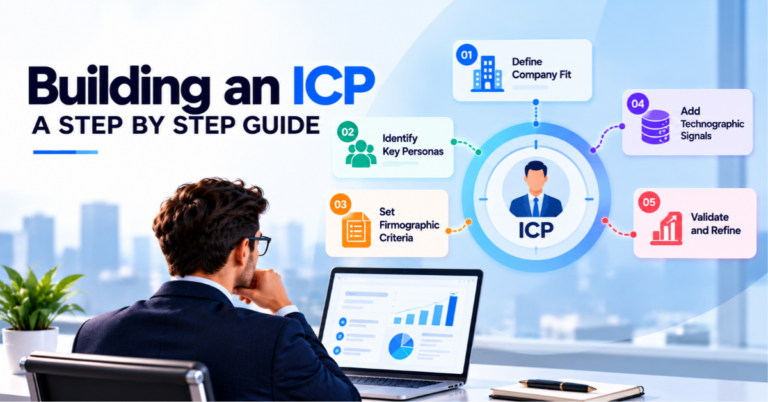
In simple terms, sales prospecting is the first step in the B2B sales process. It means finding companies that fit your ideal customer profile (ICP). Then, you check if they show signs that they may want to buy. You also start a conversation before they submit an RFP or request a demo. Modern sales prospecting uses data to find these opportunities earlier. Job changes, funding rounds, growing teams, and new technology can all signal buying interest. Sales reps and AI tools can spot these signals before a prospect visits your website or fills out a contact form online by themselves.
 

This guide shows what modern B2B sales prospecting techniques look like in 2026, compares them across different channels, and outlines the specific steps, mistakes, and best practices that enable you to fill your sales pipeline rather than merely adding names to it.

Tip

Before you build a cadence, note the three buying signals that usually come before a deal with your best customers. These could be a recent funding round, a new VP hire, or a specific job posting. Every prospecting technique works better when you know exactly what signs to watch for.

What Makes a Modern Prospecting Strategy Work?

Not every outbound prospecting method performs the same way anymore. Buyers now complete roughly 61% of their purchase journey before ever talking to a rep, and 80% of sales professionals say prospecting is the hardest part of their job.

The sales prospecting strategies teams use in 2026 share four key traits. Real buying signals replace old, static lists. Multiple channels help teams reach buyers where they are. Personalization happens at scale instead of being done manually. Several people in the buying group are also engaged, as a typical B2B deal now involves around 22 people. Together, these modern sales prospecting tactics help teams keep their calendars full and pipelines active.

Why Signal-Based Prospecting Beats Cold, Random Lists

Signal-based prospecting means focusing on accounts that already show buying interest. This could be a new executive hire, a recent funding round, a job opening your product can support, or a rise in relevant search activity.

Instead of dialing down a static list, reps prioritize accounts showing real signals of readiness, often flagged by modern sales intelligence tools that monitor this activity automatically. This is one of the biggest changes in outbound prospecting over the past two years. It also explains why some reps now book meetings with much less outreach than they needed before.

Why Omnichannel Sequences Beat Email Alone

Omni-channel outreach is becoming less effective. Reaching prospects through email, phone, and LinkedIn gives you more chances to start a conversation and can increase response rates by about 287% compared with email alone. LinkedIn is especially valuable, bringing in more than 80% of B2B leads generated through social platforms.
 
A typical omnichannel sales prospecting sequence includes five to eight touches spread over two to three weeks. You might start with an email, send a short LinkedIn connection note, make a follow-up call, share something useful by email, and then check in one last time. The secret is to remain consistent without losing momentum. Most sales take five or more follow-ups to get a response, but nearly 44% of reps stop after just one attempt.

How AI Improves Sales Prospecting Techniques

AI-driven sales prospecting tools can research recent news, role, and company context of a prospect in seconds and draft a message that a sales rep can edit for tone and accuracy. The foundation of personalized sales is to ensure that it does not feel mass-produced.
 
Sales professionals who use AI in their prospecting workflow are about 3.7 times more likely to hit quota. Similarly, top-performing teams running high-velocity sales prospecting typically use close to three times more sales technology than teams that miss targets.
 
The key here is assistance, not full automation. Automated sales outreach tools can reduce the time reps spend researching and drafting. Reps spend over 13 hours a week just researching prospects. Still, every message should be reviewed before it is sent. Personalization works best when the message feels like it came from someone who actually took the time to understand the account.

Why Multi-Threading Beats a Single Contact

Multi-threading means reaching out to several people in a target account at the same time. You do not have to wait for one champion to reply before moving forward. With an average B2B buying group now involving around 22 people, relying on one contact can slow the whole deal.

Predictive sales prospecting takes this a step further. It ranks accounts and contacts based on how likely they are to buy. The score can consider company fit, past engagement, and buying signals. This helps reps focus their limited outreach time on accounts that are more likely to respond. Predictive sales analytics make this easier by turning a long contact list into a clear, prioritized list.

INDUSTRY INSIGHT 

Buyer research has shifted heavily toward self-directed evaluation before a sales conversation ever starts. That is exactly why front-loaded, buyer-centric prospecting outperforms generic cold outreach: by the time a buyer is ready to talk, they have often already ruled out a few options on their own.

See What Signal-Based Prospecting Looks Like in Practice

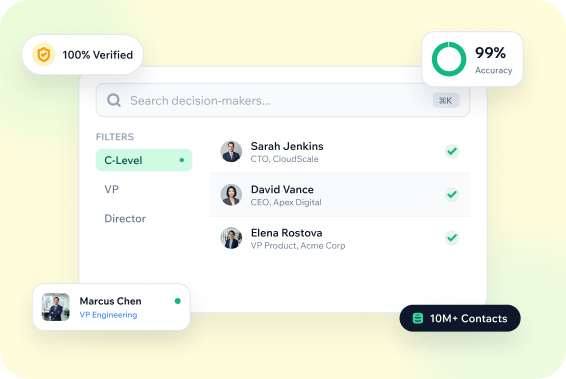
ReachStream Prospect helps sales and marketing teams find verified B2B contact and company data. Its filters make prospecting easier and more practical. You can search by job role, industry, technology, and company size. This helps teams quickly find the right businesses and people to reach out to.

Which Channel Should You Prioritize First?

There is no single best channel for every sales team. Each option has its own strengths when it comes to effort, speed, and scale. The comparison below can help you see which channel is worth trying first. It can also show when a hybrid approach makes more sense. In many cases, using two or more methods together can help you reach more prospects.

Channel Best For Avg. Reply / Connect Rate Touches Needed Scalability
Cold Email
High-volume outbound prospecting methods
~3.4% average reply rate (10%+ for top performers)
4 to 7 emails over 1 to 2 weeks
High, scales to thousands of contacts
Cold Calling
Narrow, high-value target accounts
~16.6% connect rate, 2 to 3% dial-to-meeting rate
3+ dials on average to connect
Medium, limited by rep hours
LinkedIn / Social Selling
Warming up a contact before a call or email
~10.3% response rate on direct messages
1 connection request plus 2 to 3 follow-ups
Medium, works best for named accounts
Omnichannel (Email + Phone + LinkedIn)
Most teams running structured sales prospecting techniques
Up to 2 to 3x higher than single-channel
5 to 8 touches over 2 to 3 weeks
High, the standard for most modern teams

How Do You Build a Prospecting Cadence, Step by Step?

  1. Define your ICP and buying signals: Start by getting clear on who your ideal customers are. Look at things like their industry, company size, and tech stack. Then identify the signals that often show a company may be ready to buy, such as a recent funding round or a new hire in a key role.
  2. Build a multichannel sequence: Use email, phone, and LinkedIn together instead of depending on a single channel. Plan 5 to 8 touches over two to three weeks, with a few days between each one. This keeps the conversation going without making you feel like you are constantly chasing the prospect.
  3. Personalize with AI, then edit by hand: Use AI for research and create the first draft of your message. Before sending it, read it yourself and make a few changes. Fix anything that sounds off, check the details, and mention something specific about the prospect’s company. These small changes make your message feel more genuine and less like it came from a template.
  4. Multi-thread the account: Find two or three people who could be involved in the buying decision. Reach out to more than one stakeholder instead of waiting for a single contact to get back to you.
  5. Track reply and connect rates weekly: Keep track of your results in the CRM. Look at which channels, subject lines, and call times get the best responses. Use those insights to improve your cadence instead of letting it run on autopilot.
  6. Hand off qualified conversations fast: Once a prospect shows genuine interest, move them into a qualification conversation quickly. A quick handoff helps protect the sales qualified leads (SQLs) that your prospecting efforts are meant to generate.
PRO TIP

Run a small test batch of 25 to 50 accounts through a new sequence before rolling it out to your full list. It is the fastest way to catch a weak subject line or a broken personalization token before it costs you a few hundred touches. 

What Sales Prospecting Best Practices Actually Work?

A few simple habits can help keep your sales pipeline moving. Send emails from Tuesday to Thursday, ideally between 8 and 10 a.m. or 3 and 4 p.m., when open rates tend to be higher. Keep your sequences to 4 to 7 touches instead of sending a long list of follow-ups that may feel like spam. Keep your CRM updated with every outreach touch. This helps sales and marketing teams stay on the same page when a lead moves from one person to another. Review your ICP every quarter, too. The accounts that worked well last year may not be the same ones showing interest today.

QUICK CHECKLIST

Common Mistakes to Avoid

  1. Stopping after one touch: Roughly 44% of reps give up after a single attempt, even though most sales need five or more follow-ups to get a response.
  2. Treating every account the same: A blanket cadence ignores the fact that a narrow, high-value ICP usually needs more calls and multi-threading, while a broad ICP needs more volume and automation.
  3. Personalizing with a first name and nothing else: Real personalization references a specific signal, a role change, a funding round, a relevant job posting, not just a merge tag.
  4. Single-threading the account: Waiting on one contact to reply is one of the slowest ways to move a deal, especially now that the average buying group has grown to around 22 stakeholders.
  5. Ignoring data quality: Using old or unverified contact data can waste your entire outreach effort. Bounced emails and wrong phone numbers mean you lose chances to connect with the right people.
  6. Skipping the CRM step: Outreach that is not logged cannot be measured, and a cadence you cannot measure is a cadence you cannot improve.
PRO TIP 

Before you scale any sales prospecting technique across your whole list, ask what percentage of your contact data has been verified in the last 90 days. A high-volume cadence built on outdated emails and phone numbers will always underperform, no matter how good the messaging is.

Where Do Sales Prospecting Techniques Fit In?

Sales prospecting is the first step in the lead generation process. It happens before qualification, demos, and proposals. When this step works well, it can help support steady revenue growth.

When prospecting goes wrong, the problems can show up later. Your pipeline may slow down. You may get fewer qualified leads. Your sales team may also spend more time searching for prospects instead of selling.

ReachStream Prospect helps teams handle this stage more easily. Sales and marketing teams can search verified B2B contact and company data. They can use filters to find prospects that match their ICP and show relevant buying signals. CRM integration also helps keep sales and marketing teams on the same page when leads are passed from one team to another.

Test Your Prospecting Data Before Scaling Your Outreach
Test the data before making a purchasing decision. Compare a sample of verified contacts with your current list and see how they measure up. Use the free IceBreaker plan to check the quality first.

Conclusion

Good sales prospecting in 2026 takes more than one tactic. Start with a clear idea of your ideal customer. Watch for signs that show they may be ready to talk. Use different channels to reach them. Let AI handle some of the busy work, but keep people involved. Keep everything updated in your CRM. Teams that follow this approach tend to do better than those relying on one cold email sequence and hoping for replies.
Start Building a Full Pipeline Today

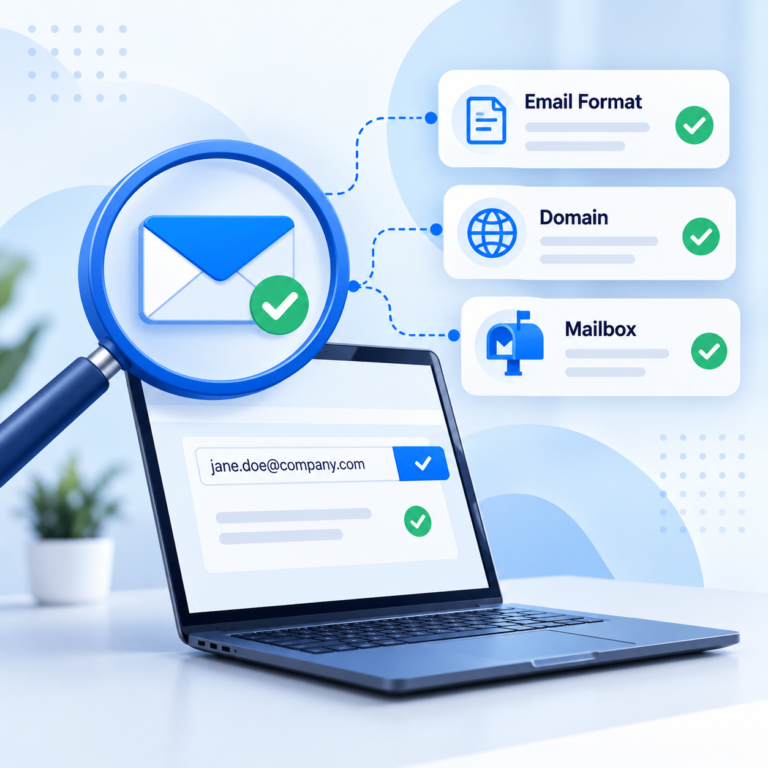
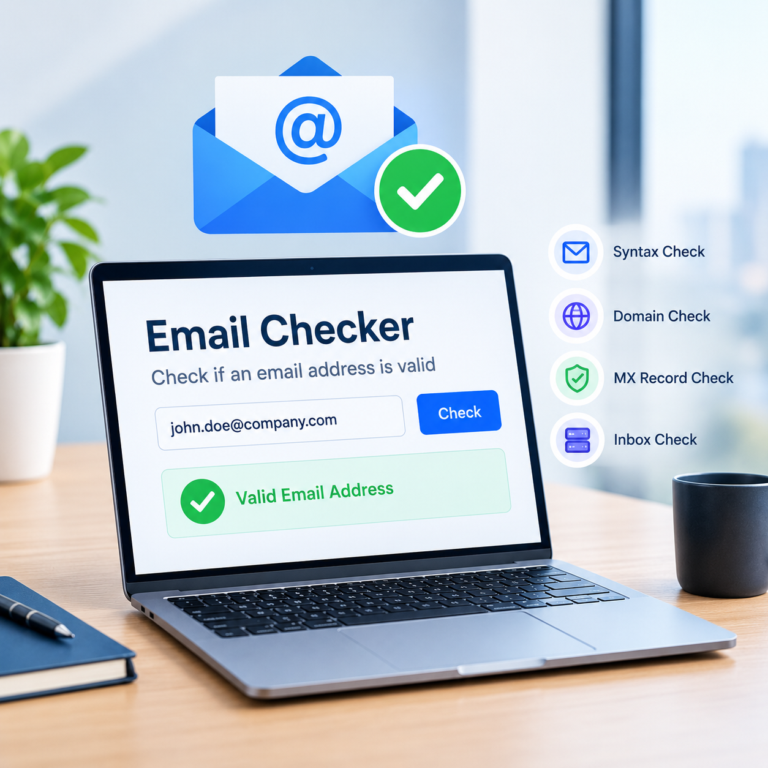
See how ReachStream Prospect combines verified search filters, real-time email verification, and signal-based data to support the sales prospecting techniques covered in this guide.

Frequently Asked Questions

What are sales prospecting techniques?

Sales prospecting techniques help teams find the right people and start meaningful conversations. Teams research potential customers based on their ICPs and reach out before the sales process begins. Today, teams can use buying signals, several communication channels, and AI to make their outreach more targeted and personal.
B2B teams often see better results when they use 2–3 channels together. common approach is to combine email, phone calls, and LinkedIn messages to reach a wider audience. A typical outreach sequence has 5–8 touches spread over two to three weeks.
The average cold email reply rates is about 3.4%. However, well-planned campaigns can reach 10% or more with the help of targeting and personalized messages. A well-personalized email can perform over 100% better than a generic one.

Research shows that around 80% of sales need five or more follow-ups before a prospect responds. Still, nearly 44% of sales reps give up after one try. A simple follow-up plan with five or more follow-up touches can help close this gap.

Understand your niche audience to predict their buying decisions. These signs could include new funding, a new executive, relevant job openings, or growing teams. These patterns help you know who to prioritize and contact first.

Yes, when it is used to assist rather than replace a rep. Sales professionals using AI tools in their prospecting workflow are roughly 3.7 times more likely to hit quota, mainly because AI cuts down research and drafting time that would otherwise eat into selling time.

Multi-threading means reaching more than one stakeholder inside a target account at the same time rather than depending on a single contact to respond and move the deal forward. It matters more now that the average B2B buying group includes around 22 people.

ReachStream Prospect is designed to help sales and marketing teams search verified B2B contact and company data using filters built around industry, technology, company size, and seniority, so the account and contact research stage of prospecting takes less manual work.

Stopping after one message can cost you potential leads. Follow up at least five times. And don’t treat every prospect the same. Choose the right channels based on the company and how well it fits your ideal customer.
Junaid Hussain Khan

Author

Junaid Hussain Khan
Junaid is Senior Manager – Brand Growth & Strategy at ReachStream, where he drives content, SEO, and growth strategy for B2B sales and marketing teams.
Share
Table of Contents

Access 200M+ verified business emails and grow your sales pipeline effortlessly.

Power Your Sales with Targeted Data
Junaid Hussain Khan
Junaid Hussain KhanAuthor
Junaid Hussain Khan is the Business Development Manager at ReachStream, adept at forging strategic partnerships and identifying new market opportunities to propel ReachStream's growth and strengthen its position in the B2B ecosystem.

Don't forget to share this post!

Check out our other blogs!